100 Animal Facts Unlocked: A Wondrous Safari
The Impressive: Animal Speedsters
When it comes to speed, the cheetah reigns supreme in the animal kingdom. Capable of reaching speeds up to 75 mph, these graceful felines leave other land animals in the dust. It's not just about foot speed, though. The peregrine falcon dives from the skies at lightning speed, clocking speeds of over 240 mph. Speed demons of the air, indeed!
Advertisement
Underwater Wonders: Aquatic Marvels
The ocean teems with incredible life forms, each adapted marvelously to their environment. Consider the immortal jellyfish, Turritopsis dohrnii, known for its ability to revert to its juvenile state in times of stress. Evolution's equivalent of Benjamin Button, perhaps? Meanwhile, the blue whale is the heavyweight champion of the seas, stretching up to 100 feet and weighing approximately 200 tons!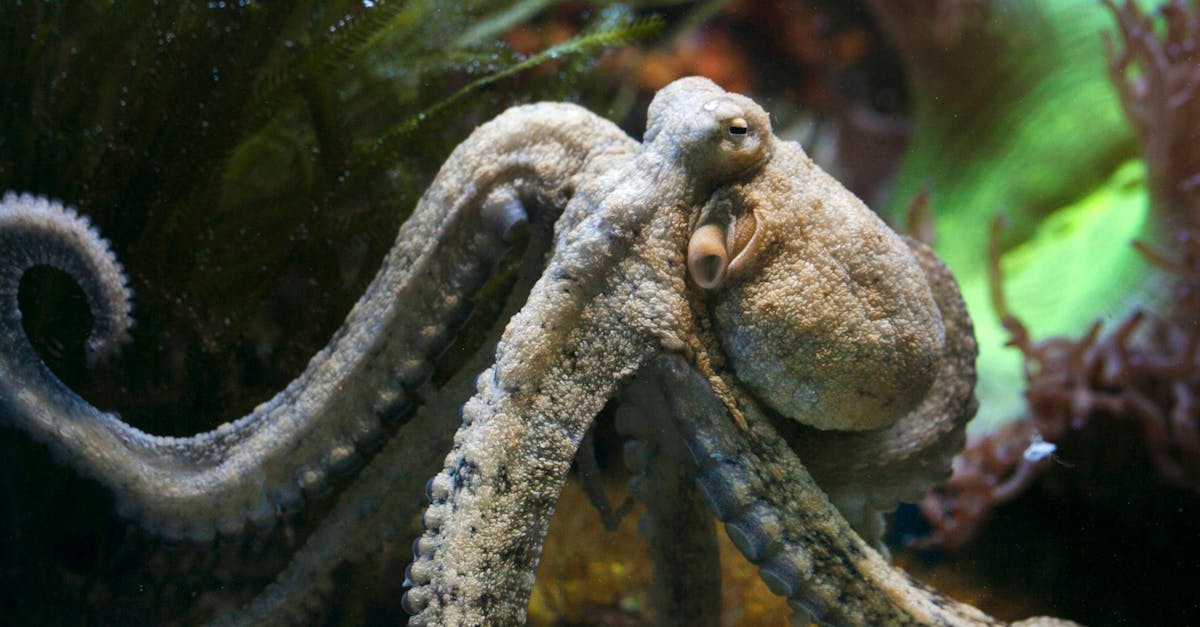
Advertisement
Curious Behaviors: Quirky Animal Habits
Animals never cease to surprise us with their peculiar behaviors. For instance, did you know that vampire bats share their meals with fellow bats who have not fed, a process scientists call reciprocal altruism? In a display of unique courting rituals, some male hummingbirds produce sound by flapping their feathers at exceptional speeds to attract mates.
Advertisement
Unseen Forces: Sense-Sational Perceptions
Animals experience the world through astonishing sensory capabilities. For example, the mantis shrimp boasts 16 types of color-receptive cones, quadruple that of humans, allowing it a kaleidoscope of color perception. On land, the African elephant's ears detect infrasonic sound waves across huge distances, an important communication tool for social bonds.
Advertisement
Distinguishing Characteristics: Animal Oddities
Nature's creativity knows no bounds. The star-nosed mole sports 22 feeler-like appendages at the tip of its snout, helping it navigate effortlessly through murky underground environments. And if you've ever wondered about durability, consider the tardigrade—a microscopic organism capable of surviving extreme conditions, including outer space's vacuum. Resilience, thy name is tardigrade!
Advertisement
Symbiosis: Nature's Collaborators
In the wild, cooperation often trumps competition. Take the symbiotic relationship between the crocodile and plover bird, where the bird cleans the crocodile's teeth by removing leftover food. This natural dental care is a prime example of mutualism. Likewise, clownfish find refuge among sea anemones, where they enjoy protection while keeping predators at bay.
Advertisement
Wild Intelligence: Signs of Animal IQ
The animal kingdom is brimming with cleverness. Consider the octopus, often hailed as the mastermind of the sea, displaying tool use and a problem-solving knack. Crows, notably New Caledonian crows, fashion tools from twigs to extract insects, showing reasoning skills. These masters of intelligence rival our expectations of what non-human animals can accomplish.
Advertisement
Fascinating Flaws: Animal Myths Debunked
While animals enthrall us, misconceptions abound. Contrary to popular belief, camels don't store water in their humps; the humps are fat reserves. Bats are not blind, as many assume, but their echolocation capabilities surpass mere sight. Understanding these truths enables a deeper appreciation of the elegant complexities in the 100 animal facts unlocked here.
Advertisement