Unraveling Mysteries: 100 Animal Queries Solved
1. Why Do Cats Purr?
The topic kicks off with the soothing rumble of a kitty’s purr. Many think it means contentment, but cats also purr when stressed and even to heal themselves, thanks to the unique frequency promoting tissue regeneration. It seems cats secretly possess their own version of a spa treatment.
Advertisement
2. How Do Birds Know When to Migrate?
Bird migration remains a wonder. These avian travelers rely on the earth's magnetic field, the position of the sun, and even the stars. Their incredible built-in GPS lets them navigate thousands of miles without needing a map or compass, leading to far more successful road trips than we humans often experience.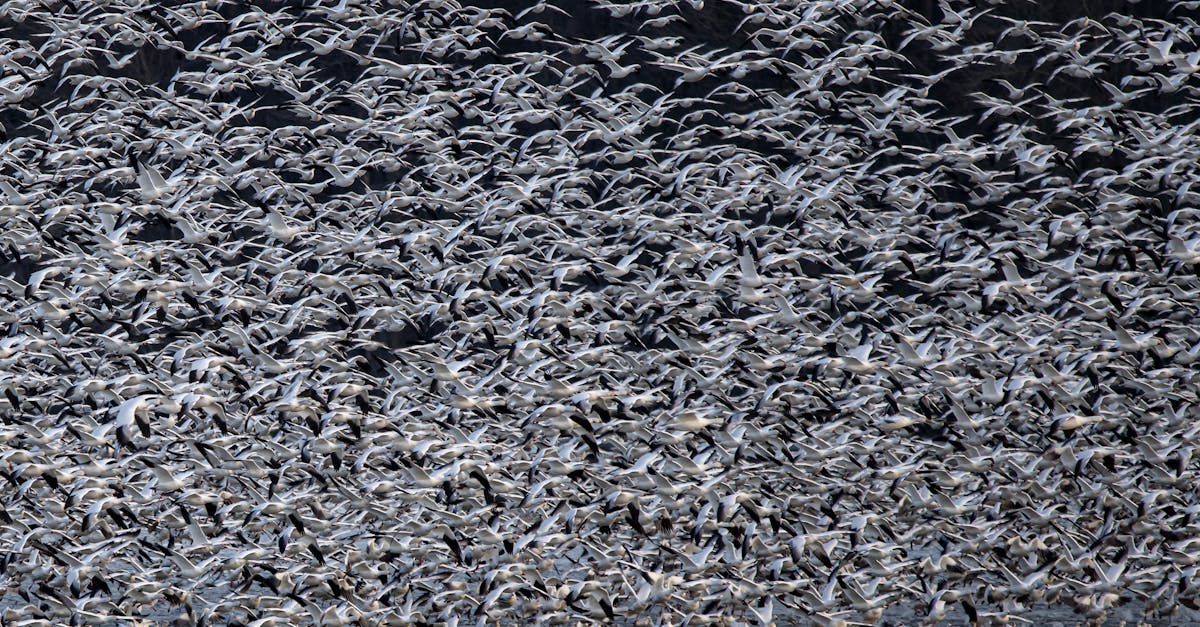
Advertisement
3. Can Elephants Really Hear with Their Feet?
Indeed they can! Elephants are equipped with sensory cells in their feet. These cells pick up subsonic rumblings in the ground—nature’s own version of text messages. This skill helps them detect distant storms or the movements of other elephant herds.
Advertisement
4. Why Do Dogs Chase Their Tails?
Tail chasing in dogs can mean boredom, exerting energy, or simply playtime. Yet, it's also a way to explore their bodies and instincts. However, if tail chasing is excessive, it could hint at medical issues, prompting a vet visit. Sometimes, even dogs are guilty of chasing ideas that don't lead anywhere!
Advertisement
5. What Makes Flamingos Pink?
Flamingos owe their blush to their diet. The beta-carotene pigment in the shrimp and algae they consume paints their feathers pink. Imagine if our hair color was influenced by popcorn or pizza—a shade most of us might favor!
Advertisement
6. How Do Bats Navigate in the Dark?
Contrary to popular belief, bats aren’t blind. Instead, they use echolocation, emitting high-pitched sounds that bounce back from objects, creating a sound map of their environment. Think of it as nature’s own sonar system, allowing bats to ace nocturnal hide-and-seek games.
Advertisement
7. Do Fish Ever Sleep?
Underneath the waves, fish rest too! While they don’t have eyelids to cue a dramatic sleep scene, they enter a restful state where their activity lowers. It’s more a standby mode than deep sleep, but it keeps them relaxed and alert enough to dodge predators.
Advertisement
8. Why Do Bees Dance?
Bees have rhythm, and it’s not just for fun. Their waggle dance is a sophisticated GPS. By shaking their body in specific patterns, bees communicate the distance and direction of discovered flowers, showcasing that sometimes a jig isn’t just for the disco!
Advertisement
Conclusion
From birds' migrations and elephants' seismic skills to the colorful lives of flamingos and the unique tail-chasing antics of dogs, animals offer boundless fascination. Answering these 100 animal queries has peeled back layers of mystery surrounding our inquisitive companions. As we continue to explore their world, we gain deeper insight into our planet's enchanting tapestry of life.
Advertisement