100 Unmissable Animal Answers for Curious Minds
The Art of Chameleons' Camouflage
Ever had a day where you wanted to blend into the background seamlessly? That dream is a chameleon's everyday reality. Thanks to special pigments in their skin, they change colors to match their surroundings, evade predators, or communicate. These color shifts are as much about mood as they are about survival, truly an artistic self-expression.
Advertisement
The Sound of Silence: How Elephants Communicate
Forget shouting. Elephants are masters of the subsonic, using low-frequency rumbles that are often inaudible to humans. These vibrations travel over miles, keeping these gentle giants in touch across vast savannahs. Their communication skills are a crucial component of maintaining the social structure in the herd, showing that less noisy does not mean less effective.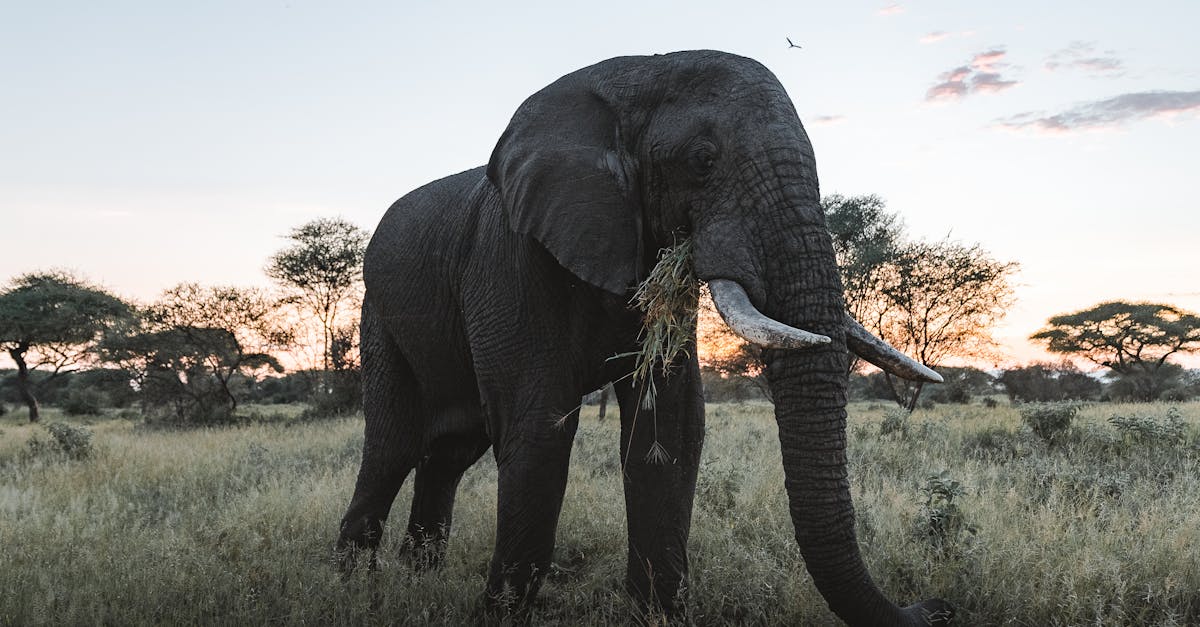
Advertisement
Life in the Slow Lane: Sloths
In the hustle of daily life, perhaps we all need to imitate a sloth occasionally. Famous for their slow pace, sloths spend 90% of their lives hanging upside-down, moving leisurely through the trees. Their deliberate movements are an energy strategy—evolution’s response to a low calorie diet provided by leaves, proving that patience can indeed be a virtue.
Advertisement
Linguists in the Sea: Dolphin Dialects
Dolphins aren't just smart underwater acrobats; they're accomplished conversationalists too. Each group develops distinct 'accents,' with variations in whistles and clicks akin to human regional dialects. This social bonding tool helps maintain closely-knit pods and ensure efficient cooperation during hunts. Dolphins remind us that understanding goes beyond words.
Advertisement
Why Penguins Don't Fly (But Fly Through Water)
Though their flightless nature often invites curiosity, penguins are agile swimmers. Their flippers are perfectly adapted for propulsion through icy waters, unlike any terrestrial bird. With their pursuit of fish similar to aerial acrobatics, these tuxedo-clad creatures showcase that sometimes limitations can help hone other skills masterfully.
Advertisement
The Hidden Engineering of Birds' Nests
Birds might lack opposable thumbs, but they sure beat us in construction projects. With just beaks and feet, they weave intricate nests that are structurally sound enough to withstand weather extremes, housing delicate eggs and future generations. From twigs to mud, each nest reflects creativity and craftsmanship passed down through generations.
Advertisement
Symphony of Cicadas: Nature’s Orchestra
Every few years, cicadas emerge, not to destroy gardens, but to fill the air with a symphony of sounds. With specialized organs called tymbals, they resonate the surroundings with their unique beats, a call for mates after years underground. Their arrival is nature's reminder of the rhythms that guide life.
Advertisement
Conclusion: Embracing the Lessons Animals Offer
Animals, from the tiniest insect to the largest mammal, offer insights into resilience, communication, and adaptability. Their stories teach humans about survival, unity, and the intricate beauty of existence. By observing their fascinating behaviors, we not only enrich our understanding of nature but also reflect upon our place within it.
Advertisement