Unraveling Enigmas: Animal Mysteries Demystified
Introduction: Nature's Puzzles Laid Bare
From invisible octopus camouflage to flamingo's one-legged stance, animal mysteries captivate us. How do creatures achieve such feats? Science diligently unpicks these biological enigmas, transforming the seemingly impossible into the wonderfully understood.
Advertisement
The Chameleon’s Colourful Secrets
Among nature's splendid masquerades, the chameleon’s breathtaking color change takes the spotlight. Once riddled with myths, scientists have elucidated that crystallized pigments in their skin shift in response to mood, temperature, and communication needs. It's less about hiding from shadows and more about sociability and sensation.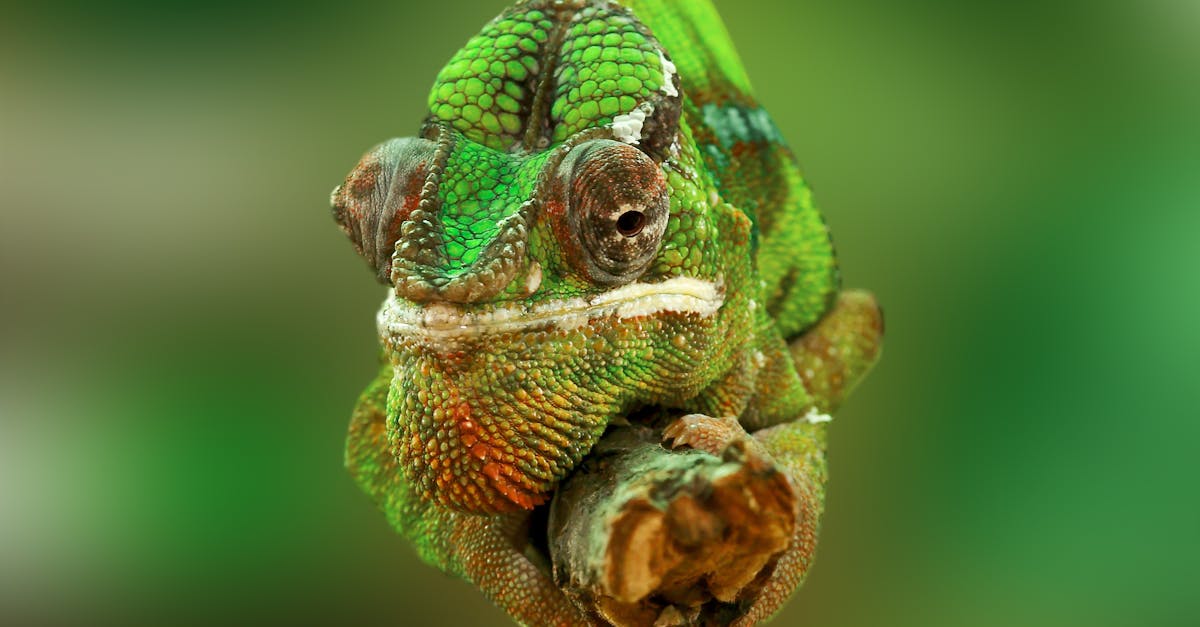
Advertisement
Dolphin Communication: A Splash of Complexity
Dolphins might not only ride waves cleverly but also reign as articulate sea dwellers. Each dolphin has a unique signature whistle, an identifier akin to a name. Efforts to decode this sophisticated vocalization hint at a social structure rich in genuine interactions and problem-solving discussions underwater.
Advertisement
The Quantum Leap of Birds
When birds migrate thousands of miles to precise locations, they may rely on a natural GPS—not the electronic gadgetry but a cryptic quantum compass. Entangled electrons in their retina might be sensing magnetic fields, enabling birds to traverse continents with a precision that leaves humans agog.
Advertisement
Octopus Evasion Artists
Who would've imagined an armful of boneless joy could elude threats with ninja-like stealth? The octopus, known for its Houdini escapes, has a knack for invisibility. Its skin possesses cells known as chromatophores, allowing it to blend into the chromatic landscape seamlessly at a moment’s whim.
Advertisement
Why Flamingos Stand on One Leg
These iconic avians, carnival pink and statuesque, have a curious resting posture. Flamingos often stand on one leg possibly to conserve heat, reducing the body's surface area exposed to air. Scientists are still figuring this out, but one thing’s sure: it's not an avian ballet routine rehearsed in secrecy.
Advertisement
The Bat's Echolocation Wizardry
In the inky cloak of night, bats become maestros, orchestrating flights by painting sonic pictures of their environment. Echolocation transforms the dark into vivid maps, allowing them to pinpoint prey, navigate obstacles, and even find openings with impressive sonic speed. They hang in the limelight as sonar's original pioneers.
Advertisement
Closing Thoughts on Nature’s Mysteries
While scientists unravel more mysteries, countless enigmas still roam the wild, waiting for discovery. As technology progresses, what seems fantastical today becomes tomorrow’s tangible truth. Animals teach us adaptability, ingenuity, and the value of curiosity. From chameleons to dolphins, their world is our open book of never-ending wonders.
Advertisement