Centennial Insights For Animal Lovers
Introduction
Animals have been our companions, helpers, and teachers throughout history, providing both emotional and physical support. Whether you're a cat person, dog lover, or cherishing any other species, our bond with animals is undeniable. As humanity evolves, our understanding and interactions with these creatures deepen. Over the years, animal enthusiasts have discovered countless insights into animal behavior, communication, and ethics. This article delves into the century-old wisdom that continues to shape the lives of animal lovers. Prepare to uncover intriguing insights that reflect the symbiotic relationship between humans and animals.
Advertisement
The Language of Animals
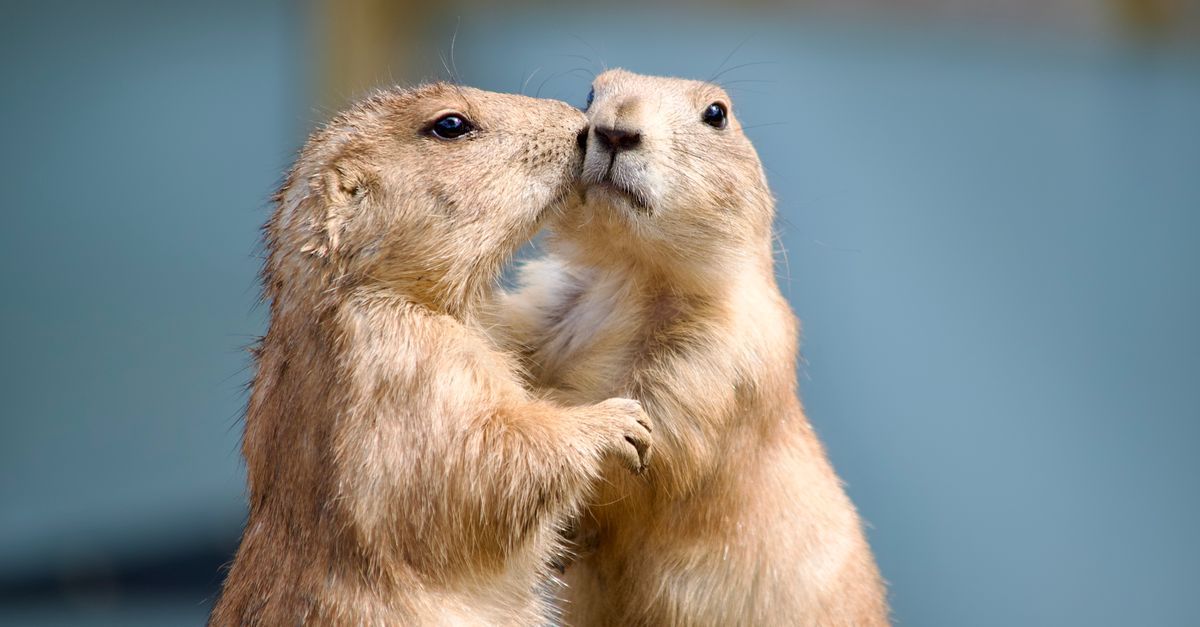
From subtle tail flicks to melodious chirps, animals have their distinct methods of communication. Understanding this language has been enhanced by research in the last hundred years, as ethologists like Konrad Lorenz and Jane Goodall paved new ways of studying animals in natural habitats. Non-verbal cues, such as body posture and facial expressions, play a crucial role in their interactions. This understanding aids pet owners in interpreting their pets' needs, enhancing the human-animal bond. Moreover, distinct sounds like bird calls and canine barks are no longer mere noise but essential communication forms.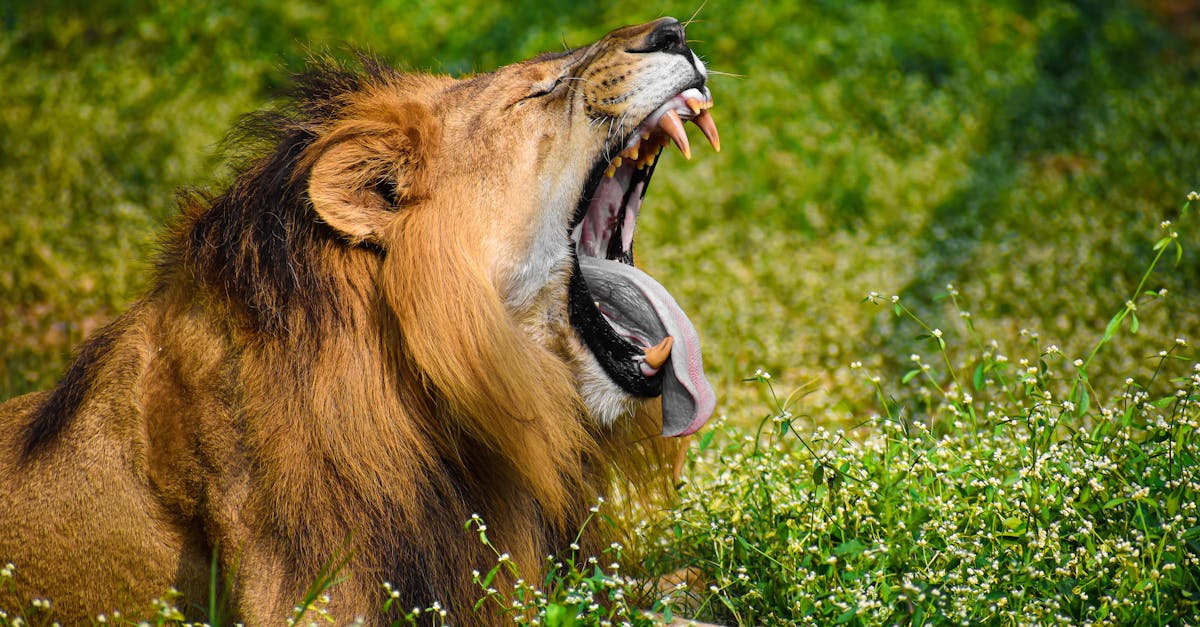
Advertisement
Animal Emotions Simplified
The debate over whether animals have emotions has spanned decades, with recent findings suggesting they experience a spectrum of feelings similar to humans. This idea has shifted pet ownership perspectives, emphasizing empathy and understanding. Observations of dogs displaying joy, fear, or even jealousy indicate that their complex emotional lives require a compassionate response. Scientific studies using advanced techniques like MRI technology reveal that certain parts of animals' brains function similarly to humans, further supporting their emotional parallels. Emphasizing humane treatment is now more pertinent than ever.
Advertisement
Advances in Animal Healthcare
The last century has witnessed groundbreaking advancements in veterinary care, contributing to longer and healthier animal lives. Improvements range from vaccinations to sophisticated diagnostics, such as CT scans and digital radiography. Animal nutrition too has taken a forward leap, with diets tailored to specific species and health needs. The rise of alternative medicine, like acupuncture and physiotherapy for animals, ushers in holistic healing methods. These innovations ensure that our animal companions receive the best care possible, highlighting the eternal human dedication to their wellbeing.
Advertisement
The Ethical Evolution in Animal Treatment
Our perspective on animal rights and ethics has dramatically shifted over the past century. Influential figures and organizations advocate tirelessly for animal welfare, resulting in significant legislative changes. Issues like poaching, animal testing, and habitat destruction are under scrutiny, enforcing stricter regulations and worldwide awareness campaigns. New-age zoos focus more on conservation and education rather than entertainment, emphasizing moral responsibility towards every species. There's a growing realization that animals deserve rights akin to human rights, fostering a more just global society.
Advertisement
Animals as Therapeutic Companions
Emotional and psychological benefits from animal companionship extend beyond mere companionship. Consecrated in therapy animals, they offer unparalleled support to individuals with anxiety, PTSD, and other mental health challenges. Canine therapy, equine-assisted interventions, and feline companionship have opened doors to unorthodox yet effective therapeutic techniques. From reducing stress to aiding in recovery, animals contribute positively to human health. Increased research and anecdotal evidence bolster the case for more inclusive settings where animals aid those in need. Their abilities to heal and comfort us are indeed remarkable.
Advertisement
Discoveries in Animal Intelligence
Animal intelligence has long been underestimated, with modern research shedding light on their cognitive capabilities. Studies illustrate how animals exhibit problem-solving skills, memory retention, and even the ability to use tools. Cephalopods like octopuses demonstrate surprising intelligence, while primates show cultural learning and tool-making skills. These revelations challenge previous assumptions, propelling a shift in how we perceive the mental faculties of animals. Recognizing this intelligence promotes respect and admiration, steering away from viewing animals solely as instinct-driven beings.
Advertisement
The Role of Technology in Enhancing Connections
In recent decades, technological advancements have enriched our connection with animals. GPS collars, wildlife cameras, and tracking sensors provide insights into wildlife behavior, allowing more effective conservation efforts. Wearable tech for pets helps monitor their health and wellbeing. Virtual reality and online platforms offer immersive experiences to learn and engage with animals worldwide. These innovations foster greater appreciation and offer valuable education tools to deepen our understanding of animal lives. Bridging the gap between virtual and real-world experiences enhances our relationship with the animal kingdom.
Advertisement
Conservation and Our Responsibility
Conservation efforts have become a focal point for animal lovers around the globe. A century of industrialization and urbanization has endangered numerous species, underscoring the urgency for concerted action. National parks, wildlife sanctuaries, and marine reserves strive to protect habitats, while breeding programs aim to restore dwindling animal populations. Community-driven conservation models engage local populations, combining traditional knowledge and modern science for sustainable solutions. Our responsibility lies not only in preserving biodiversity but also in fostering coexistence with the wild.
Advertisement
Summary
A century of insights has enriched the world of animal lovers, deepening our connection with these extraordinary beings. As we've seen, understanding animal communication, emotions, and intelligence enhances our interactions and compassion. Healthcare advancements and therapeutic roles highlight their essential presence in our lives. However, ethical considerations and conservation efforts remain paramount as we progress. By embracing technological advancements, we continue bridging gaps in knowledge and experience. Ultimately, respecting and cherishing animals is a testament to our shared existence on this planet.
Advertisement