Centennial Insights Into Animal Kingdom
Introduction
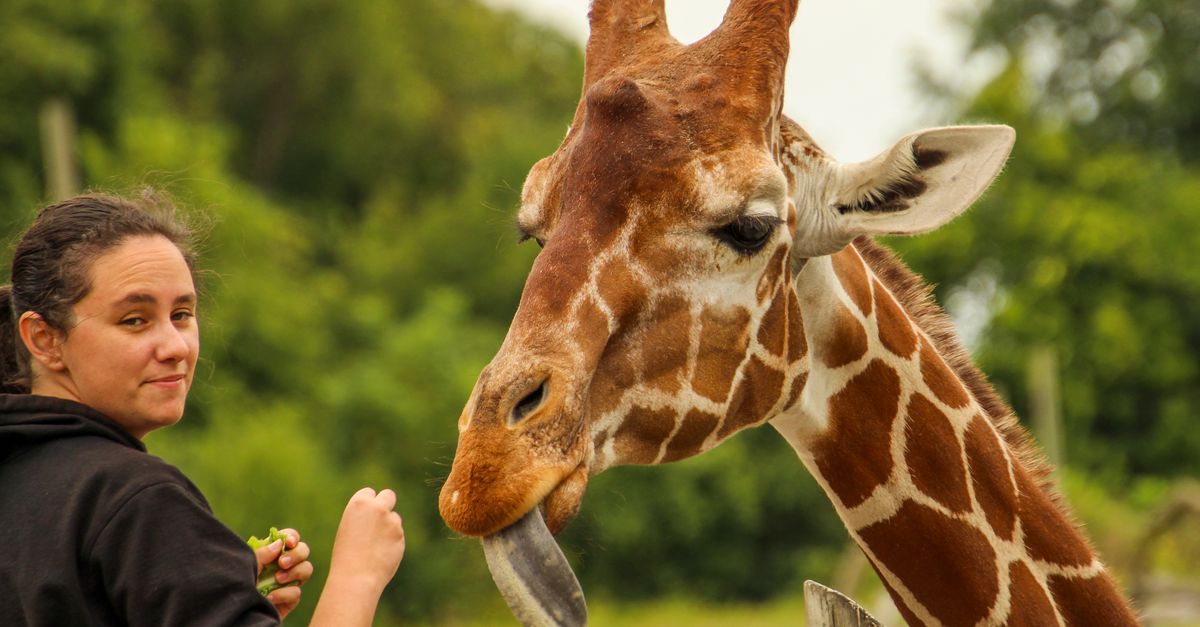
The Animal Kingdom is a vast and bewildering tapestry of life that has captivated human curiosity for centuries. Spanning across untouched wildernesses, arid deserts, and the deepest oceans, it showcases the diversity and adaptability of life forms on Earth. Over the last century, advancements in technology and scientific exploration have unveiled new secrets that have reshaped our understanding of wildlife. From uncovering the hidden lives of creatures to conserving their habitats, the study of the Animal Kingdom remains crucial for biodiversity and ecological balance. As we delve into the centennial insights, we celebrate the wonders and adaptations that make this natural world both mysterious and magnificent. Let us journey through time to explore how the Animal Kingdom has changed over the last 100 years.
Advertisement
Evolution and Discovery
The 20th century brought forth monumental discoveries in the field of zoology and taxonomy. One of the most remarkable was the identification of 'living fossils', such as the coelacanth, a prehistoric fish believed extinct until its surprise capture off the coast of South Africa in 1938. DNA sequencing has further broadened our understanding of evolutionary lineages, revealing close genetic ties between seemingly unrelated species. Fossil records have also shed light on the evolution of modern mammals from ancient predecessors. For example, discoveries in whale evolution have depicted their dramatic transition from land to sea. These insights have transformed once-static biological classifications into a dynamic narrative of evolutionary history, painting a richer picture of the interconnected web of life.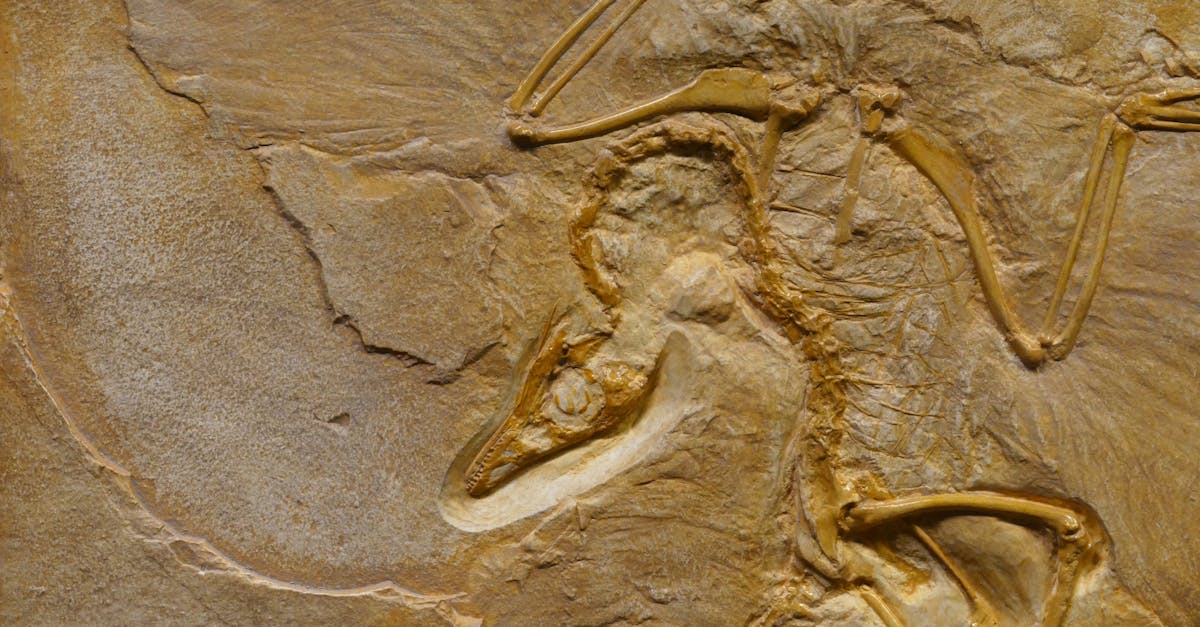
Advertisement
Behavioral Insights
Our understanding of animal behavior has deepened over the past century, largely due to technological advancements like remote cameras and satellite tracking. Researchers have discovered complex social behaviors in species such as elephants, which display empathy and familial bonds once thought unique to humans. Studies of animal communication have unveiled intricate languages among marine mammals like dolphins and terrestrial species like prairie dogs. Migration patterns have been meticulously charted, demonstrating how animals adapt to seasonal changes and environmental pressures. These behavioral revelations not only highlight the intelligence and adaptability of animals but also underscore the evolutionary advantages these behaviors confer.
Advertisement
Conservation Efforts
As industrialization and human expansion have impacted wildlife, conservation has become a focal point in our relationship with the Animal Kingdom. Over the last 100 years, numerous species have faced extinction due to habitat loss, poaching, and climate change. Conservation efforts, bolstered by international cooperation and innovative policies, have managed to save species like the American bison and bald eagle from the brink of extinction. The establishment of national parks and protected areas has become invaluable, offering sanctuaries where species can thrive. Additionally, captive breeding programs have successfully reintroduced endangered species, such as the California condor, into the wild, reinforcing the importance of preserving biodiversity.
Advertisement
Ecological Roles
Within ecosystems, each species plays a unique and crucial role, impacting their environment in various ways. Apex predators like tigers and wolves maintain ecological balance by regulating prey populations, preventing overgrazing and ensuring habitat health. Pollinators such as bees and birds are vital for the reproduction of flowering plants, contributing to biodiversity and supporting agricultural economies. Decomposers, like fungi and insects, facilitate nutrient cycling and decomposition, maintaining soil fertility. The loss of any species can disrupt these intricate relationships, highlighting the importance of conserving the myriad roles within ecosystems. Understanding these ecological dynamics has been pivotal in holistic conservation efforts.
Advertisement
Climate Change Impacts
Climate change has emerged as a significant force reshaping the natural world, influencing habitats, food availability, and migration patterns. Warming temperatures have driven polar bears to the brink of survival, as melting icecaps diminish their hunting grounds. Coral reefs, vibrant centers of marine biodiversity, face bleaching events due to rising sea temperatures, threatening countless marine species. Additionally, many species, from butterflies to whales, are adjusting their ranges or migration timing, a testament to their inherent adaptability. However, the unprecedented pace of climate change poses challenges, threatening the survival of many species. Conservation strategies are increasingly focusing on mitigating these changes and creating resilience.
Advertisement
Technological Advancements
The advancement of technology has propelled wildlife research to new heights, providing deeper insights into the lives of animals. Drones offer aerial perspectives of hard-to-reach ecosystems, while infrared cameras capture nocturnal behaviors. Genetic testing has revolutionized species identification and understanding their health, aiding in targeted conservation efforts. Satellite imagery allows scientists to track deforestation and its effects on wildlife habitats. Moreover, data analysis using artificial intelligence offers predictive models about how species might adapt to future challenges. These technological tools have become indispensable in both scientific research and practical conservation, driving progress in understanding and preserving the Animal Kingdom.
Advertisement
Public Awareness and Education
Public interest in wildlife and nature conservation has surged, bolstered by documentaries, social media, and educational campaigns. The 'Planet Earth' series, narrated by Sir David Attenborough, brought global attention to the marvels and plights of the natural world. Zoos and aquariums have transitioned from entertainment venues to conservation and educational hubs, promoting awareness about endangered species. Citizen science initiatives, such as bird counts and marine surveys, engage communities in monitoring wildlife and contribute valuable data. This collective awareness has not only changed public perception but also influenced policies and initiatives aimed at wildlife protection and sustainability.
Advertisement
Holistic Approach to Wildlife
Looking forward, a holistic approach to wildlife conservation that integrates ecology, sociology, and economy is essential. Sustainable practices in agriculture and forestry can harmonize human needs with conservation goals, ensuring responsible resource use. Recognizing the cultural significance of wildlife in various communities is integral, helping foster collaborative conservation efforts. Balancing economic development with environmental sustainability is also pivotal in achieving long-term conservation success. By adopting interdisciplinary strategies, the hope is to secure not only the survival but the flourishing of the Animal Kingdom for future generations, setting a benchmark for environmental stewardship.
Advertisement
Summary or Conclusion
Over the past century, understanding and preserving the Animal Kingdom has been at the forefront of scientific endeavors, fostering a deeper appreciation of nature's complexities and marvels. Advances in technology and science have unveiled new insights into evolution, behavior, and ecology, highlighting the intricacy of biodiversity. Conservation efforts have made considerable strides through awareness and technological interventions, yet challenges posed by climate change and human expansion persist. However, through collective awareness, responsibility, and innovation, there remains hope for a future where humans and wildlife coexist harmoniously. As we reflect on centennial insights, the exploration and conservation of the Animal Kingdom remain enduring priorities for sustaining Earth’s vibrant tapestry of life.
Advertisement