Centennial Perspectives On Pet Parenting
Introduction
Pet parenting has undergone a remarkable transformation through the last century, reflecting broader societal changes. From the practical roles animals held in early 20th-century households to the cherished members of the family they are today, pets have significantly impacted our lives. This evolution touches on shifts in economic conditions, cultural norms, and technological advancements. As society progressed, so did the dynamics of human-animal interactions, fostering stronger emotional bonds. Understanding this evolving relationship allows us to appreciate the roles pets play in not only homes but wider societal contexts. Let's explore how pet parenting has developed and what it tells us about our social evolution.
Advertisement
The Early 20th Century: Utility and Companionship
In the early 1900s, pets primarily served utilitarian purposes, such as herding sheep or controlling rodent populations. Dogs, cats, and other animals contributed to household economics, making practical inputs into rural and even urban existing lifestyles. Although companionship was acknowledged, it was secondary to these practical functions. Literary works and artworks from this period reveal the dual roles pets provided, aiding survival and, increasingly, offering comfort. As towns expanded, more households could afford to keep animals purely for companionship. These incremental changes set a foundational shift in pet-human dynamics.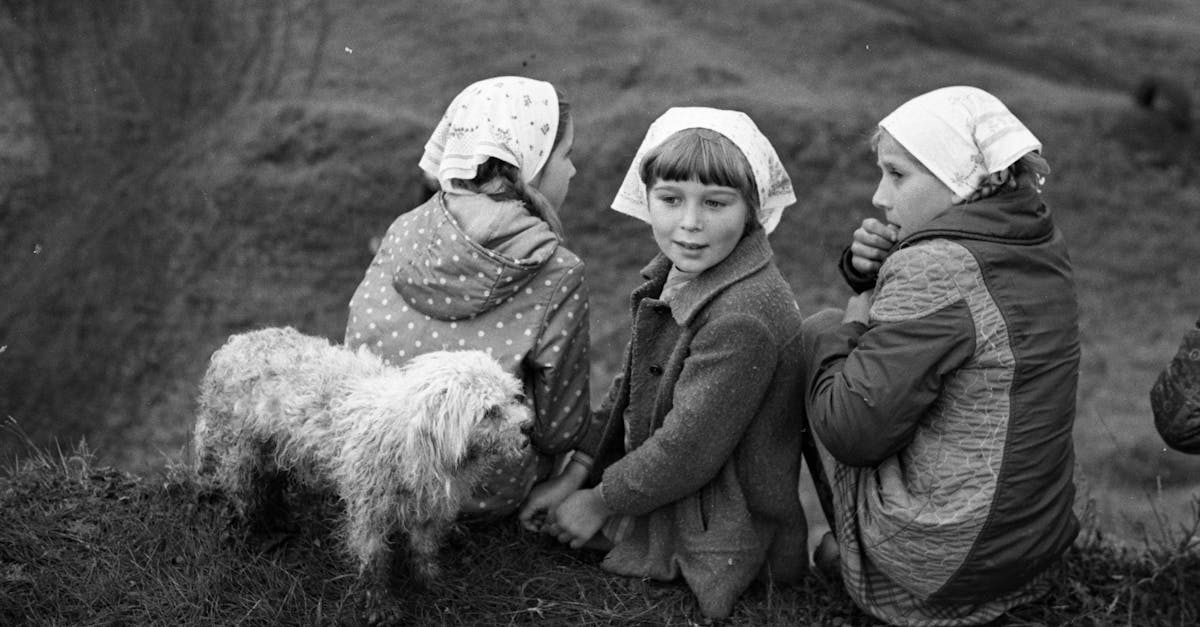
Advertisement
Mid-20th Century: The Dawn of Pet Industries
With post-war economic prosperity, the 1950s and 60s saw a burgeoning interest in pets purely as companions. Wealthier families could afford to invest in animals that offered emotional support, triggering the growth of modern pet industries. Pet foods, accessories, and veterinary services began to emerge as viable commercial opportunities. Suburban living allowed families to keep larger pets, which increasingly became status symbols of happiness and stability. Societal focus on family structures reinforced the concept of pets as integral household members, cementing their emotional value.
Advertisement
1970s and 80s: Animal Welfare and Rights
As public awareness of animal rights grew, so did the responsibilities of pet ownership. Legislation against cruelty reflected changing perceptions and expectations towards pet care. This era prioritized spaying and neutering, reducing overpopulations and improving animals' well-being. Influential advocacy groups emerged, emphasizing ethical treatment and adoption over breeding. The concept of 'adopt, don't shop' gained ground, discouraging puppy mills and promoting animal shelters. As these principles took root, pet parenting transformed from ownership to stewardship, emphasizing responsibility and care.
Advertisement
Technological Advancements and Their Impact
The digital revolution in the late 20th-century redefined pet care, from smart collars to advanced veterinary diagnostics. Pet gadgets boomed, providing real-time health tracking and location monitoring, making caretaking both science-driven and interactive. The rise of internet communities allowed pet owners worldwide to share experiences, advice, and support, fostering an inclusive and informed pet parenting culture. Social media illuminated the adorable and quirky aspects of pet life, turning pets into internet celebrities, thereby influencing broad pop cultural trends.
Advertisement
The Role of Pets in Lifestyle Choices
Pets became key considerations in housing and lifestyle decisions by the turn of the 21st century. Pet-friendly housing developments and public spaces burgeoned to accommodate furry family members. Paw-ternity leaves and workplace pet-friendliness gained traction, reflecting the importance of animal welfare in human productivity and satisfaction. Camps and retreats for improved human-animal bonding proliferated, spotlighting the growing awareness of pets' psychological benefits. The recognition of pets as family paved the way for lifestyle experiments, adopting diverse animal species as companions.
Advertisement
Emotional and Psychological Studies
Studies increasingly indicated the emotional and psychological benefits associated with pet ownership. Academic and scientific research explored how pets contributed to stress reduction, anxiety management, and mental wellness. Companion animals provided a sense of purpose and routine, which became especially important in single-person households and for seniors. Therapy and service animals gained acclaim for their roles in assisting individuals with disabilities, both physical and psychological. This deeper understanding underscored the value of pets beyond companionship, promoting their role as aides and healers.
Advertisement
Pet Parenting in a Diverse World
Embracing the diversity of pet species, today's families include the traditional cats and dogs, along with reptiles, birds, and exotic pets. Cultural shifts and intercultural exchanges expanded the type of companion animals and their roles in different cultures. The globalization of pet care and ownership practices reflects these tendencies, promoting diversified perspectives on what makes a pet family member. The challenge lies in balancing conservation and pet welfare, particularly with exotic species, highlighting the need for responsible parenting. These trends redefine not just norms but enrich personal connections with the animal world.
Advertisement
Challenges and Future Directions in Pet Parenting
Contemporary pet parenting faces new challenges, from climate change impacts on animal wellness to addressing ethical breeding. Food sustainability and personalized nutrition for pets are forging new paths in animal care. Ethical questions arise about pet cloning, hybrid species, and genetic modifications. As urban areas grow denser, providing sufficient space and enrichment for pets is central to responsible care. Looking forward, innovation in pet care technologies promises to boost wellness, but must balance between enhancement and ethical considerations.
Advertisement
Conclusion
The last hundred years have witnessed a fundamental shift in pet parenting, each era contributing new roles and dimensions to the human-animal bond. Once viewed through a practical lens, pets are now cherished family members and companions, reflective of societal progress and cultural shifts. Pet parenting continues to mirror our evolving values, revealing much about our changing lifestyles and priorities. As we face future challenges and embrace innovation, preserving the central aspects of this bond remains paramount. Ultimately, it's this enduring connection that illuminates our shared journey with animals, signaling unbounded opportunities ahead.
Advertisement