Centennial Tales Of Animal Insight
Introduction
For over a century, scientists and animal lovers alike have marveled at the intelligent and often surprising behaviors of animals. With insights spanning cultural, social, and cognitive realms, our understanding of animal behavior has evolved significantly. This exploration unveils the rich tapestry of animal intelligence, from species renowned for their exceptional memory to those with intricate social structures. Discover the captivating journey through a hundred years of studying animal insight, shedding light on their cognitive capabilities. Throughout the years, groundbreaking discoveries have showcased the surprising parallels between human and animal intelligence. This article delves into these Centennial Tales of Animal Insight.
Advertisement
Early Studies in Animal Intelligence
The study of animal behavior began in earnest with pioneers like Ivan Pavlov and Edward Thorndike in the early 20th century. Pavlov's classical conditioning experiments with dogs were among the first to systematically explore how animals learn and respond to their environment. Meanwhile, Thorndike’s law of effect established foundational principles of learning in animals. These early endeavors paved the way for future research, revealing that animals, like humans, learn through experience and reinforcement. The focus at this stage was largely on domesticated animals, but it soon expanded to include wild creatures as well. These studies were critical in shifting perspectives, recognizing that animals are capable of more than instinctual behaviors.
Advertisement
The Rise of Ethology
Ethology, the study of animal behavior in natural settings, emerged as a crucial field in the mid-20th century. Pioneers like Konrad Lorenz, Nikolaas Tinbergen, and Karl von Frisch enhanced our understanding of animal instincts and communications. Lorenz’s work on imprinting in birds revealed how early experiences shape behavioral development, while Tinbergen’s studies on stickleback fish provided insights into instinctive behaviors and their triggers. Von Frisch famously decoded the "waggle dance" of honeybees, demonstrating sophisticated communication methods. This era marked a shift from laboratory-based studies to understanding animals in their native habitats, highlighting complex behaviors previously unrecognized.
Advertisement
Tool Use and Problem Solving
The latter half of the 20th century saw a surge in interest regarding animals' problem-solving capabilities. One of the most notable discoveries was Jane Goodall's observation of chimpanzees using tools to extract termites. This revelation challenged the notion that only humans were capable of such complex behavior. Other species, such as New Caledonian crows and octopuses, displayed remarkable problem-solving skills. Researchers noted that animals could adapt their use of tools for different purposes, showcasing remarkable cognitive flexibility. These findings revolutionized our understanding of animal intelligence, blurring the previously distinct lines separating human and animal capabilities.
Advertisement
Social Structures and Cultural Traditions
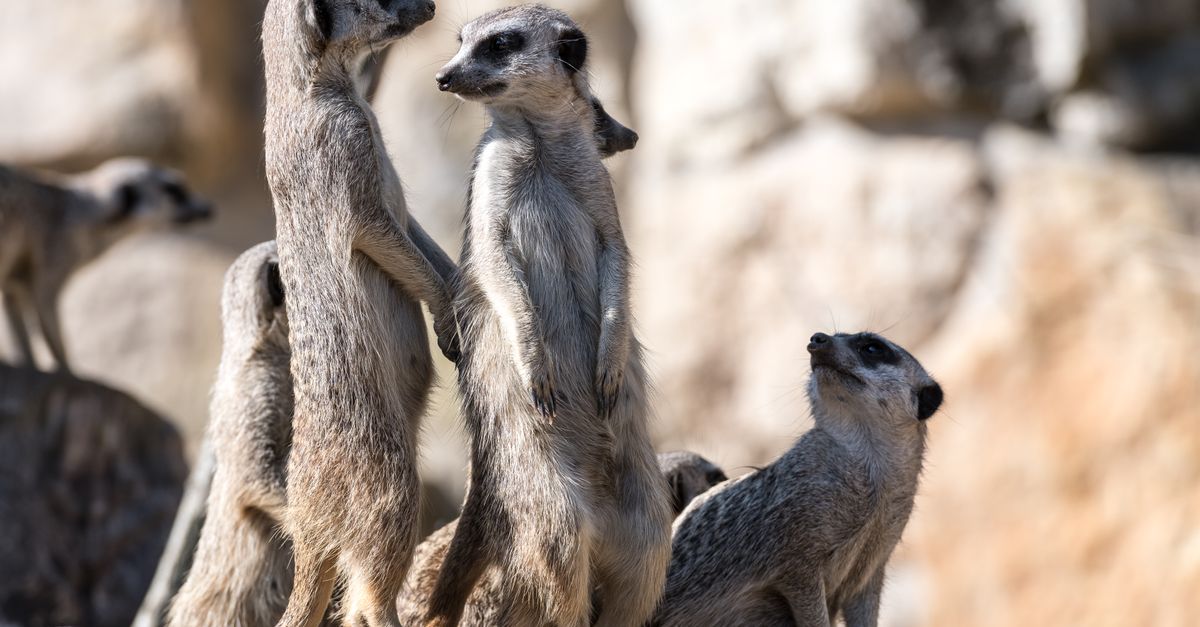
Animal societies exhibit diverse structures and cultural traditions, a phenomenon studied extensively in the latter 20th and early 21st centuries. Elephants, with their intricate social bonds and matriarchal leadership, exemplify familial loyalty and collective memory. Orcas display cultural variations in hunting techniques, with different pods passing down knowledge through generations. Observations of meerkat groups suggest a form of cooperative teaching, whereby older members train the young in survival skills. Such discoveries illuminate the rich social lives of animals, fostering a deeper appreciation for their complex interactions and societal norms. These insights reveal animals' capacity for social learning and tradition.
Advertisement
Communication and Language
The exploration of animal communication systems has opened new avenues for understanding cognition. For instance, dolphins use a sophisticated array of whistles and echolocation to communicate and navigate their environment. Parrots have demonstrated an ability to mimic human speech and comprehend abstract concepts, a trait showcased by Alex, the famous African grey parrot. Additionally, prairie dogs use varied calls to detail the presence of predators, indicating a form of language. These revelations suggest that animals possess communication capabilities far more advanced than previously believed, with implications on how we perceive and engage with different species.
Advertisement
Emotional Intelligence in Animals
Research into animal emotions has significantly expanded our understanding of their inner lives. Studies on dogs reveal they experience fear, joy, and jealousy in ways similar to humans. Elephants have been observed mourning deceased herd members, suggesting a deep emotional bond. Additionally, the empathetic behaviors of rats, rescuing companions from danger, indicate a capacity for compassion. These findings challenge traditional assumptions about animal behavior, highlighting that many species experience a complex range of emotions. The recognition of animal emotional intelligence has fostered enhanced ethical considerations regarding their treatment and care.
Advertisement
Impact of Technology on Animal Studies
Advancements in technology have transformed the study of animal insights, providing new methodologies and data collection techniques. GPS tracking enables the study of migratory patterns with unprecedented accuracy, revealing intricate navigational capabilities. Camera traps and drones offer glimpses into otherwise hard-to-access animal habitats, capturing candid behaviors. Recent use of AI in behavioral analysis shows promise in deciphering animal communications. These technological tools have not only expanded our knowledge of animal behavior but also facilitated conservation efforts, showcasing the integral role of technology in modern ethology.
Advertisement
Ethics of Studying Animal Intelligence
The ethical considerations in studying animal insight have evolved alongside scientific advancements. The recognition of animal sentience has prompted stringent ethical guidelines ensuring humane treatment in research. There is growing advocacy for observing animals in natural settings, minimizing invasive methods. Studies emphasize the importance of animal welfare, balancing the necessity of research with ethical obligations. This has led to changes in zoo designs, integrating enrichment programs to stimulate cognitive and social behaviors. As understanding deepens, ethical considerations will continue to shape the methodologies and purposes of future research in animal insight.
Advertisement
Summary and Conclusion
The past century has revealed profound insights into animal intelligence, reshaping our understanding of animal behavior. From early conditioning theories to the complex social and emotional lives observed today, the journey illuminates a rich narrative of learning and discovery. As technology advances, the potential for further revelations into animal cognition is boundless. Ethical considerations remain paramount, guiding the respectful study of our fellow earth inhabitants. The Centennial Tales of Animal Insight continue to inspire awe, challenging us to see animals as sentient beings with a complexity akin to our own.
Advertisement