Century Of Animal Answers Exploring One Hundred Years Of Animal Understanding
Introduction
Over the past hundred years, animal research has undoubtedly transformed the way humans perceive and interact with the animal kingdom. These studies have provided critical insights into animal cognition, social structures, and their crucial role within ecosystems. From playing significant roles in scientific breakthroughs to shifting our ethical perceptions towards other beings, animals continue to captivate human curiosity and empathy. This journey through the sands of time uncovers revelations surrounding animal behavior, the benefits of animal-assisted therapies, and the evolution of laws protecting animal rights. As we delve deeper into the century, new discoveries continuously emerge, reshaping our understanding of coexistence and interconnection with Earth's diverse creatures. Let's explore a century of answers to questions that have woven a complex tapestry reflecting the depth of the animal world.
Advertisement
Breakthroughs in Animal Cognition
Animal cognition research has revolutionized our comprehension of animal intelligence over the past century. Initially, it was widely believed that human brains operated on a level far beyond that of any other species. However, groundbreaking studies revealed intricate behaviors and advanced problem-solving capabilities in animals like dolphins, elephants, and crows. For instance, studies from the mid-20th century showcased the extraordinary memory of elephants, often capable of remembering family members over decades. Similarly, the mimicry of human speech by certain bird species hints at sophisticated neural processes. Through time, these valuable insights have compelled us to rethink the notion of human superiority in cognition and appreciate the remarkable adaptive intelligence across species.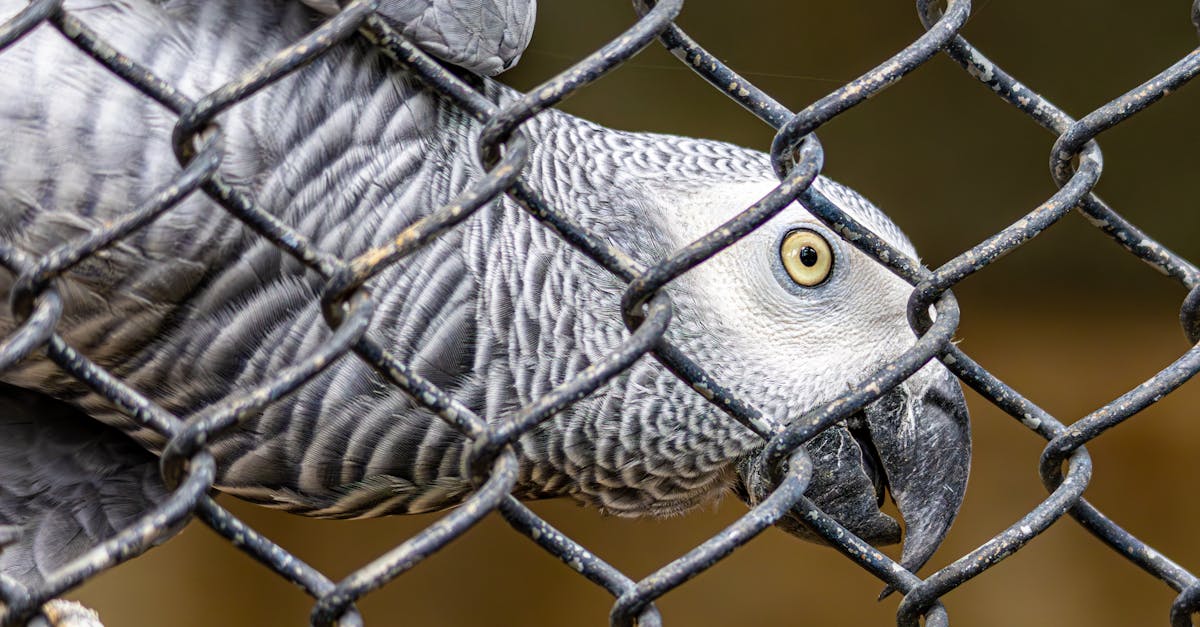
Advertisement
Social Structures and Communication
The exploration of animal social structures has provided profound clarity on how non-human animals interact with one another. At the heart of these interactions lies communication—a key mechanism that holds communities together. Breakthroughs such as discovering the intricate dance of bees, decoding whale songs, and understanding complex primate gestures have unveiled sophisticated communication systems among non-human societies. Scientists have even observed emotions like empathy and playfulness in species like rats and dolphins. These revelations challenge earlier assumptions, indicating that social complexities extend far beyond what was previously assumed and prompting further inquiry into the nuances of animal communication.
Advertisement
Impact of Conservation Efforts
As industrialization began to threaten biodiversity, the importance of conservation emerged during the early 20th century. As awareness grew, so did efforts to mitigate human impact on animal habitats. Protective laws, sanctuaries, and organizations dedicated to wildlife conservation acted as bulwarks against extinction and habitat destruction. Over time, iconic species such as the bald eagle, giant panda, and humpback whale have rebounded from the brink of extinction due to concerted conservation initiatives. These successes highlight humanity's capacity to foster positive change, promising hope for future generations of flora and fauna.
Advertisement
Animal-Assisted Therapy and Medicine
The discovery of animals' therapeutic benefits has reshaped healthcare and psychological practices throughout the last century. Animals such as dogs, horses, and even dolphins have played integral roles in therapies for varying physical and mental health conditions. The contact with animals is known to ease stress, improve communication skills, and encourage activities otherwise deterred by mental barriers. Such interactions have become complementary practices in pediatrics, geriatrics, and rehabilitation medicine. These therapies underscore the symbiotic relationship between species and their shared quest for healing and well-being.
Advertisement
Evolution of Animal Rights Legislation
The development of animal rights legislation marks a profound evolution in ethical attitudes towards animals over the last century. Initially, laws pertaining to animals were primarily concerned with their utility in agriculture and research. However, over time, perspectives shifted from viewing animals solely as resources to recognizing them as sentient beings endowed with intrinsic value. Laws now reflect more comprehensive protections encompassing welfare beyond basic survival needs. This progressive transition is evident in increasing bans on cosmetic testing and improved welfare standards within captive facilities. These legal strides offer animals greater dignity and harmonize human actions with ethical responsibilities.
Advertisement
Role of Modern Technology in Animal Research
Technological advancements over the past century have opened unprecedented avenues to study animals in environments previously unimaginable. Satellite tracking, DNA sequencing, and non-invasive imaging technologies have revealed insights with remarkable precision. These innovations allow for the precise tracking of migratory patterns, genealogical studies extending across generations, and health assessments without undue distress. By integrating cutting-edge technology directly into conservation plans, scientists continue to unravel the mysteries of our diverse biosphere with accuracy and empathy.
Advertisement
Interconnection and Eco-System Balance
The intricate relationships forming ecosystems have emerged as a central focus of animal research, greatly expanding our understanding of biodiversity. Ecosystem dynamics depend on careful balance where each species plays a specific role within its niche. The disappearance of keystone species like wolves can result in cascading effects that alter entire ecosystems. This realization underscores the importance of preserving interconnectedness and forging sustainable interactions. Such knowledge encourages humans to reconsider their actions, advocating holistic approaches towards maintaining ecosystem equilibrium and prosperity.
Advertisement
Ethics and Future Directions
In the context of animal research, ethics have become profoundly influential, continuously shaping scientific directions and public discourse. As a result of activism and advocacy, ethical considerations now emphasize minimizing animal suffering and reducing the use of animal-based testing protocols. Coupled with emerging technologies, there is an ongoing transition towards alternative methods that ensure humane research methodologies. As we look to the future, continued collaboration across science, ethics, and policy will underpin significant strides towards achieving harmonious coexistence with the animal kingdom.
Advertisement
Conclusion
Throughout the century, animal research has been paramount in transforming our understanding of nature's complexity and interconnectedness. Breakthroughs in cognition and social communication have reshaped perceptions, while conservation and legal progress emphasize humanity's role in preserving wildlife. Animal-assisted therapies illustrate the profound symbiosis between species, highlighting shared avenues towards healing and unity. As society moves forward, balancing technology and ethics will remain essential in creating sustainable futures. Ultimately, this century of animal answers underscores the benefits of inquisitive pursuit, empathy, and collaboration—offering hope for a more harmonious tomorrow for humans and animals alike.
Advertisement