Century of Paw Spectives
Introduction
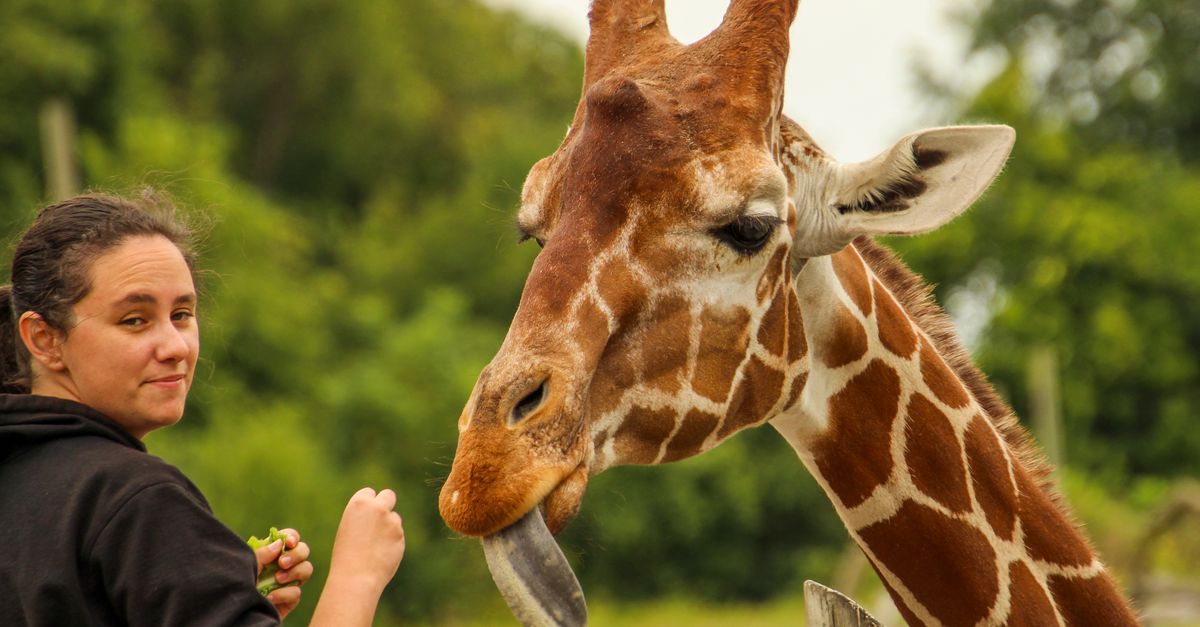
Over the last century, our perception and understanding of animals, both wild and domestic, have undergone unprecedented transformations. This evolution, often referred to as the "Century Of Paw Spectives," delves into how attitudes toward animals have changed in myriad ways. From seeing them as mere property to recognizing them as sentient beings deserving of care and respect, this shift is noteworthy. It reflects societal change, advancements in science, and growing awareness of animal welfare. With the rise of pet ownership, activism for wildlife conservation, and scientific breakthroughs in animal psychology, our relationship with animals is deeper and more complex than ever. This article explores a hundred years of evolving views on animals and their place in our lives.
Advertisement
From Property to Companions
Early 20th century attitudes largely relegated animals, particularly pets, to the status of property. They were valued primarily for their utility—dogs herding sheep, cats controlling pests. As the century progressed, a paradigm shift occurred, which saw pets increasingly being viewed as family members. This change was fueled by various factors, including urbanization which limited traditional roles for animals and a growing middle class that valued pets as companions. The bond between humans and their furry friends strengthened, leading to a boom in the pet industry. Today, pets are often treated like children, with many pet parents ensuring they have the best of everything—from food to healthcare.
Advertisement
Science and Sentience
Scientific research has significantly contributed to changing perceptions of animals over the decades. Early studies focused on behavior, but by the mid-20th century, there was a burgeoning interest in animal sentience. As researchers began to explore cognitive abilities in animals, it became evident that many creatures experience a wide range of emotions. Studies on primates, dolphins, and even crows unveiled capabilities such as problem-solving, empathy, and even creativity. These insights have altered how society perceives animals, driving legislation toward better welfare standards and changing everyday interactions with pets and wildlife.
Advertisement
Activism and Advocacy
The latter half of the 20th century saw a significant rise in animal rights activism, spearheaded by organizations like PETA and WWF. These movements spotlighted issues such as animal testing, factory farming, and habitat destruction, effectively raising public awareness. Advocacy led to the enactment of numerous laws protecting animal welfare and the establishment of sanctuaries and conservation areas. Campaigns encouraging adopting shelter pets over purchasing from breeders became widespread. As awareness grew, more individuals and organizations committed to making ethical choices in food, fashion, and entertainment, reflecting a societal shift toward sustainable, cruelty-free living.
Advertisement
Role in Mental Health
In recent decades, scientific studies have validated what many pet owners already knew—animals play a crucial role in mental health. Therapists recommend pets for therapeutic purposes, citing their ability to reduce stress, anxiety, and depression. Service animals and emotional support animals (ESAs) have become widely recognized for aiding those with PTSD, autism, and other challenges. Workplace pet policies are becoming more common, recognizing the benefits of employee well-being and productivity. The emotional support pets offer is invaluable, forging deep bonds of loyalty and affection that are mutual and profound.
Advertisement
Media Influence
Media has significantly impacted public perceptions of animals, with film, television, and literature often reflecting or shaping societal views. Classic films like "Lassie" and "Old Yeller" popularized the image of heroic and loving pets. Documentaries such as "Blackfish" and "The Cove" have influenced public opinion by highlighting the darker aspects of animal treatment in entertainment and captivity. Fictional works, both on-screen and in books, not only entertain but often carry deeper messages about animal welfare and understanding. Media remains a powerful tool in spreading awareness and keeping animal issues at the forefront of public discourse.
Advertisement
Technological Advances and Animal Care
Advances in technology have revolutionized animal care. Modern veterinary medicine has dramatically improved diagnostics and treatments for various ailments, enhancing the quality of life for pets and wildlife. Innovations like microchipping, pet cameras, and fitness trackers have made monitoring animal health and safety more efficient. Communicative technology, such as apps for lost-pet recovery or smart feeders, enable pet owners to stay connected with their animals constantly. These advancements have deepened human-animal bonds and elevated care standards, ensuring better health, safety, and happiness for our animal companions.
Advertisement
Conservation Efforts
Amidst concerns over biodiversity loss, conservation efforts have ramped up considerably in recent years. Wildlife conservation programs have adopted a grassroots approach, educating local communities on the importance of preserving habitats and protecting endangered species. Government initiatives and international cooperation have led to substantial strides in conserving wildlife, though challenges remain. Captive breeding programs and habitat restoration projects have seen significant successes, such as the comeback of the once-endangered bald eagle in the United States. These efforts underscore the appreciation of the planet's rich biodiversity and the imperative of its protection.
Advertisement
Socio-Economic Implications
The shift in animal perspectives has had far-reaching socio-economic implications. The booming pet industry, encompassing everything from food and toys to veterinary services, is worth billions. Pet-friendly businesses and public spaces are increasingly common, reflecting changing societal norms. This shift has also impacted legislation surrounding animal welfare, with stricter laws and regulations being enforced globally. The message is clear: society is increasingly recognizing animals' valuable roles, and this change is gradually becoming institutionalized within various sectors, influencing policy, economy, and daily life.
Advertisement
Conclusion
The "Century Of Paw Spectives" marks an era of profound transformation in human understanding and appreciation for animals. This journey from utilitarian views to recognizing them as companions reflects broader societal changes toward empathy and compassion. As our connection with animals deepens, so does the responsibility to ensure their welfare and protection. Future strides in science, technology, and advocacy promise to further enrich our understanding and interaction with the animal kingdom. In embracing this journey, we not only forge stronger bonds with our animal friends but contribute to a more humane and conscientious world.
Advertisement