Discovering a Century of Animal Answers
Exploring a Century of Animal Discovery
For over a century, the wonders of the animal kingdom have captivated scientists, researchers, and enthusiasts alike. From observing the intricate dances of honeybees to understanding the migration of monarch butterflies, the quest for animal answers is both vast and varied. In the early 1900s, scientists began documenting behaviors that sparked questions about intelligence, communication, and evolution. Refinements in technology, such as motion cameras and genome sequencing, have since accelerated discoveries. With each breakthrough, we learn more about our planet’s biodiversity, which in turn informs conservation efforts. Ultimately, understanding the complex world of animals ensures that we appreciate their role in our ecosystem.
Advertisement
Decoding Animal Communication
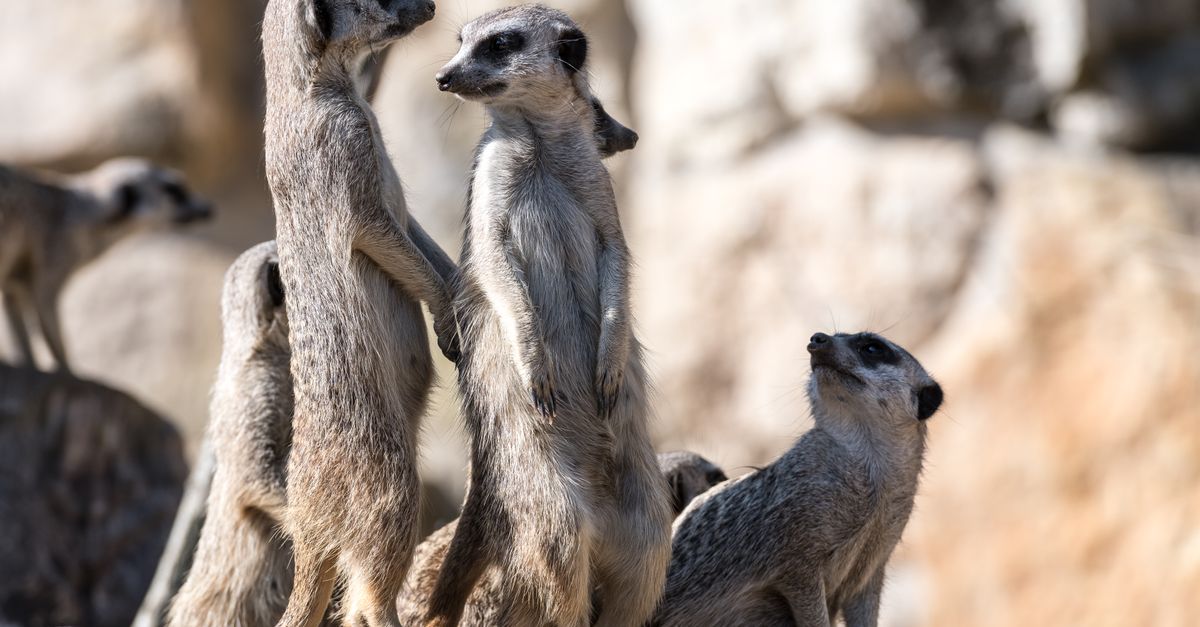
Communication among animals is as diverse as the species themselves. From the melodic songs of whales that traverse ocean depths to the alarm calls of meerkats alerting to predators, each method offers a unique insight. Birds, for instance, use a variety of vocalizations to mark territory and attract mates, a behavior meticulously cataloged over decades. Researchers have found that dolphins use signature whistles equivalent to names, an understanding drawn from years of acoustic studies. Insects, such as bees, communicate via dance, a behavior uncovered during the mid-20th century, which indicates food location. These revelations about animal communication enhance our understanding of intelligence and social structures in wildlife.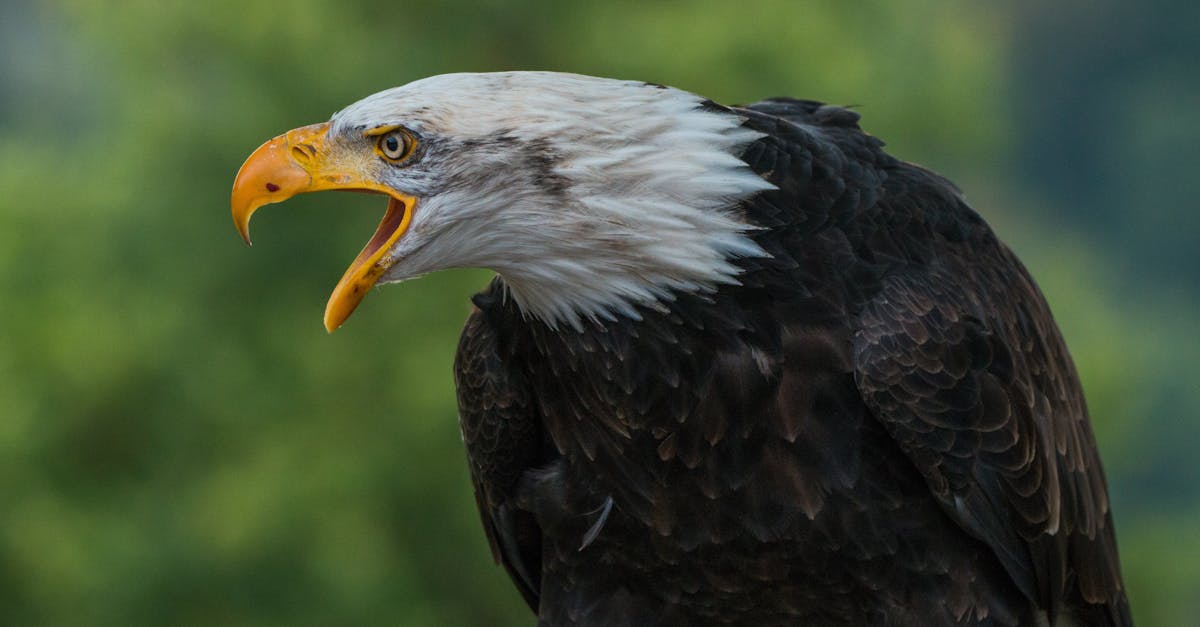
Advertisement
Navigating Migration Mysteries
Migration remains one of the most fascinating natural phenomena observed in the animal kingdom. Birds are renowned for their incredible migratory journeys, often spanning continents and overcoming adverse weather. Through banding and satellite tagging, researchers have unraveled the temporal and spatial patterns of these migrations. Monarch butterflies, equipped with innate compasses, travel thousands of miles to Mexico each year, a journey studied through generations. The sheer determination of salmon swimming upriver to spawn highlights the instinctive drive of animal migrations. As we unlock these mysteries, we gain insights into climate change and its impact on migratory behaviors.
Advertisement
Social Structures in Animal Kingdom
The social structures that exist within the animal world continue to intrigue scientists. Whether it's the matriarchal societies of elephants or the highly structured hierarchies of wolves, each social system offers lessons on cooperation and conflict. Elephants display empathy and collective memory, traits that are studied to comprehend complex social interactions. In primate communities, grooming behaviors not only serve hygiene but also reinforce alliances, an observation made through long-term field studies. Ant colonies, functioning as superorganisms, demonstrate collective intelligence, showcasing division of labor for survival. Investigating these structures provides a blueprint for understanding social dynamics across species.
Advertisement
Remarkable Adaptations of Animals
Nature's adaptability is displayed through the remarkable adaptations of countless species. Camouflage, mimicry, and bioluminescence are mechanisms employed by various animals to survive and thrive. The chameleon’s color-shift serves both as camouflage and communication, a research area expanded in recent times. Discoveries around octopuses reveal adaptive intelligence and problem-solving skills previously underestimated. In extreme environments like the Antarctic, we find creatures that have evolved antifreeze proteins to withstand icy waters. Every adaptation underscores a story of survival, contributing to the rich tapestry of evolution over the last century.
Advertisement
Conservation Breakthroughs and Challenges
The past century has seen wildlife conservation surge to global prominence, with both triumphs and ongoing challenges. From saving the bald eagle from near-extinction to frantic efforts in conserving the rhinoceros, conservation work is critical. Landmark research in genetics, such as sequencing genomes of endangered species, offers hope in preserving biodiversity. Despite these successes, habitat loss, poaching, and climate change continue to threaten animal populations worldwide. Innovative solutions, including wildlife corridors and sustainable eco-tourism, are explored as alternatives. Preserving the natural world is as much about research as it is about global cooperation.
Advertisement
Technological Advancements in Study
Technological advancements over the past century have revolutionized the study of animals. Radio collars introduced in the 1960s have allowed a deeper understanding of animal movement and behavior patterns. Modern techniques, such as GPS tracking and drone surveillance, provide real-time data and insights into inaccessible terrains. Genome sequencing has propelled our knowledge about animal genetics, helping track hereditary diseases and adaptive traits. Thermal imaging and camera traps offer non-intrusive ways to observe nocturnal and elusive species. These tools not only aid in scientific study but also play a pivotal role in shaping conservation strategies to protect endangered species.
Advertisement
The Animal-Human Connection
The rapport between humans and animals is a connection rooted in millennia-old coexistence. From ancient cave paintings depicting bison hunts to modern documentaries, animals have always been part of human narratives. Domesticated animals like dogs and cats exhibit companionship and loyalty, vital attributes studied since the early 20th century. These relationships advance our understanding of domestication, bonding, and animal welfare. Interactions, such as animal-assisted therapy, highlight the profound impacts they have on human psychology and health. As we continue studying these bonds, it is evident that animals influence human lives in numerous, profound ways.
Advertisement
Future Horizons in Animal Research
The horizon of animal research continues to expand with every passing year. CRISPR and other gene-editing tools hold promise for understanding genetic disorders and bolstering conservation efforts. Further, artificial intelligence is being leveraged to decode animal communication, offering unprecedented insights into language patterns and behaviors. The study of microbiomes in animals sheds light on health and species interactions in ecosystems. As we probe deeper into the oceans, new species are discovered, offering fresh perspectives on biodiversity. With each advancement, the potential to unlock answers to age-old questions about animals grows ever closer, ensuring continuous fascination and inquiry.
Advertisement
Conclusion: A Century of Insights and Future Potential
As we reflect on a century of remarkable animal research, it is evident that each discovery enriches our understanding of life on Earth. From untangling communication webs to decoding elusive migrations, every insight helps construct the grand tapestry of nature. These studies inform conservation practices, ensuring we uphold our responsibility as stewards of the planet. The challenges are as vast as the mysteries unraveled, but with science as our guide, the answers await. As the journey into the heart of the animal kingdom continues, one truth remains: the story of animals is one of intrigue, resilience, and endless wonder.
Advertisement