Exploring Intriguing Animal Queries
Introduction to Animal Queries
Animals are intriguing, sparking endless questions about their behaviors, habitats, and evolution. Exploring these queries reveals fascinating details and unlocks a deeper understanding of the natural world. From the sneaky cunning of the fox to the industrious nature of the beaver, each inquiry paints a vibrant picture of diverse life forms on Earth.
Advertisement
Why Do Foxes Scream at Night?
If you've ever been startled by an eerie scream during the night, you might have encountered the fox's nighttime calls. Unlike the fabled wails of banshees, foxes communicate with their mates and mark territory through these haunting cries. It's a testament to their cunning nature that they’ve mastered subtlety at its noisiest.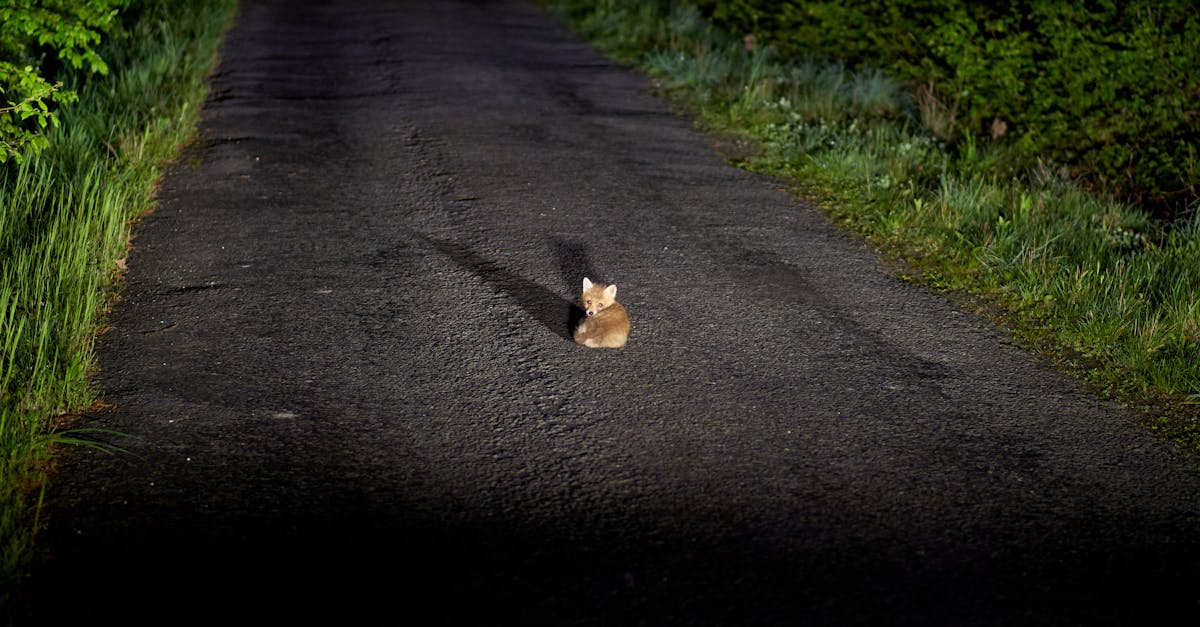
Advertisement
How Do Penguins Keep Warm?
In the face of the Antarctic chill, penguins flaunt nature's ingenious design. With a dense layer of blubber under their skin and tightly packed waterproof feathers, they brace the brutal cold. Huddling in groups is another savvy trick, turning the collective into a toasty penguin furnace, blending warmth with camaraderie.
Advertisement
What’s the Purpose of a Beaver’s Dam?
Beavers are nature's architects, crafting dams that serve dual purposes. These structures protect their homes from predators while providing a cozy, water-locked haven. With habitats stabilized, beavers display resourcefulness akin to human settlers, building ecological communities that benefit countless creatures beyond their own industrious goals.
Advertisement
Can Elephants Really Learn Like Humans?
Elephants wield intelligence that parallels humans in many ways. Known for their sharp memory and social complexity, these gentle giants use tools, solve problems, and exhibit empathy. In fact, their ability to learn and remember puts them in a unique spotlight, solidifying their reputation as cognitively advanced mammals.
Advertisement
Why Do Owls Spin Their Heads?
Though unsettling at times, an owl's head-spinning ability is nothing short of remarkable. With more vertebrae in their necks than humans, owls can twist their heads up to 270 degrees. This anatomical marvel provides them with a wide field of vision, ensuring they don't miss an opportunity in their nocturnal pursuits.
Advertisement
How Does a Chameleon Change Color?
Chameleons are the masters of disguise. Their color-changing prowess stems from the rapid manipulation of skin cells called chromatophores. By adjusting these pigments, chameleons blend seamlessly into their environment, either for camouflage or social signaling. It's an evolutionary feature that highlights nature's brilliant strategies for survival.
Advertisement
Conclusion: The Endless Diversity of Wildlife
Exploring these 100 animal queries offers a glimpse into the stunning range of abilities and traits across the animal kingdom. Each creature, with its quirks and curiosities, contributes to the symphony of life on Earth. As we continue this journey of discovery, we gain appreciation and acknowledgment of the intricate tapestry of existence shared by all living beings.
Advertisement