Exploring Pre-Exposure Prophylaxis for HIV Prevention: An Ultimate Guide
Understanding the Basics of PrEP
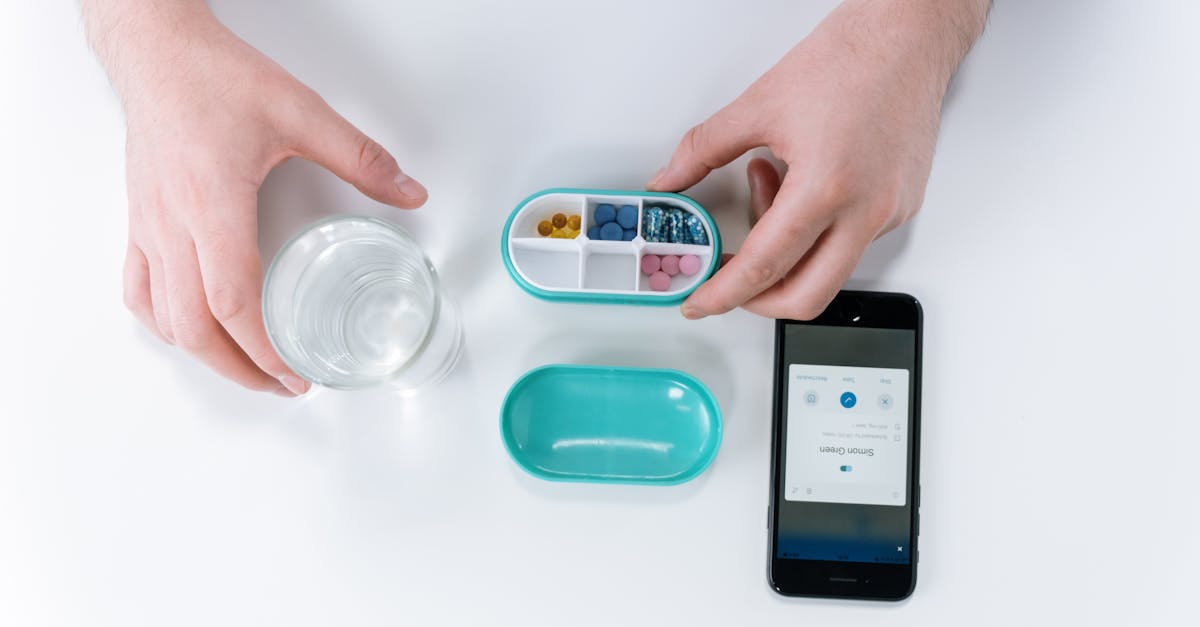
Pre-exposure prophylaxis, commonly known as PrEP, has emerged as a significant advancement in the fight against HIV. PrEP involves the use of specific medications by individuals who are at a higher risk of contracting HIV to prevent infection. The Centers for Disease Control and Prevention (CDC) highlights that when taken consistently, PrEP can reduce the risk of HIV from sex by about 99% and from injecting drug use by at least 74%.
Advertisement
Current State of PrEP
In recent years, awareness and availability of PrEP have increased significantly. While initially introduced with Truvada (a combination of tenofovir and emtricitabine), the FDA approved Descovy in 2019 as an alternative option for PrEP. According to a report from the World Health Organization (WHO), PrEP programs have been rolled out in over 135 countries, providing many people access to this preventive treatment.
Advertisement
Mechanism and Effectiveness
PrEP works by inhibiting the HIV virus's ability to replicate in the body, which prevents a potential infection from establishing itself. Research published in The Lancet has shown the remarkable efficacy of PrEP when adherence and consistent use are maintained, a key requirement for its success. It's crucial for individuals on PrEP to take the medication orally once daily and maintain regular follow-ups with healthcare providers.
Advertisement
Access and Implementation Challenges
While PrEP has proven effectiveness, its global implementation faces challenges. Disparities in healthcare access, social stigma, and misinformation can impede optimal dissemination, particularly in regions with higher HIV prevalence. The Joint United Nations Programme on HIV/AIDS (UNAIDS) emphasizes the importance of community-based outreach and education to combat these obstacles.
Advertisement
Innovations and New Developments
Recent innovations in PrEP include long-acting injectable forms, which could transform HIV prevention strategies. The New England Journal of Medicine reported that these injectables have shown similar efficacy to oral tablets, with the potential for monthly or bimonthly doses. These advances aim to improve adherence and offer more options to suit varying lifestyle needs.
Advertisement
Addressing Concerns and Misunderstandings
Despite its benefits, PrEP is often surrounded by misconceptions. It's essential to understand that PrEP is not a cure for HIV but a preventive measure. It doesn't protect against other sexually transmitted infections (STIs), necessitating safe sex practices alongside its use. Healthcare professionals, as noted by the Mayo Clinic, offer guidance and counseling to address common concerns and encourage informed decision-making.
Advertisement
The Future of PrEP in HIV Prevention
PrEP's continued evolution signifies hope in the global push to end HIV transmission. With ongoing research and growing accessibility, a person-centered approach becomes vital. The National Institutes of Health (NIH) stresses that as treatments diversify, personalized healthcare plans incorporating PrEP could expand to cover more individuals worldwide.
Advertisement
Conclusion
PrEP represents a transformative shift in HIV prevention, offering significant protection for those at risk. As awareness expands and new developments unfold, the potential to end the HIV epidemic strengthens. Informed decisions, guided by healthcare professionals, and supported by innovative options, present a pathway towards an HIV-free future.
Advertisement