Decoding the 100 Mysteries of Pet Behavior
Introduction
Pets: our furry companions, our trusted allies, and sometimes, the greatest enigmas we encounter daily. Understanding their behavior can seem like unraveling life’s greatest conundrums, yet these puzzled looks and wagging tails are more revealing than they appear. Let's delve into the world of pets and decipher their 100 curious ways.
Advertisement
The Enigmatic Tail Wag
When a dog wags its tail, is it always happy to see you, or is there more to this gesture? Interestingly, the wag can denote different emotions depending on its speed and tilt direction. A slow, low wag might indicate uncertainty, while high-speed wagging usually points to excitement or joy.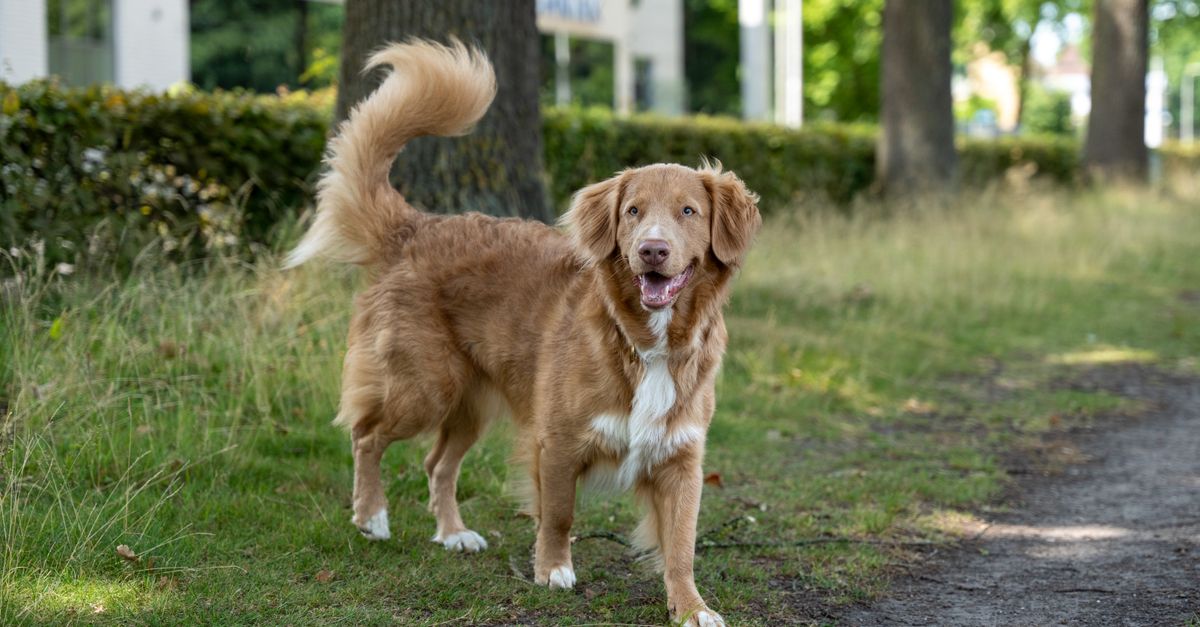
Advertisement
The Purring Puzzle
Cats have got the art of purring down to a science, but what's behind their contented rumble? While most assume a purr always signifies happiness, it can also indicate pain or stress. Researchers suggest cats purr during distressing times as a form of self-soothing, akin to how humans might hum a comforting tune.
Advertisement
Why the Zoomies?
Ever witnessed your dog or cat racing around the house like they're on a caffeine kick? Known as the 'zoomies,' this sporadic display of hyperactivity is perfectly normal. It's a release of pent-up energy, often seen after a bath, a meal, or the sheer joy of being alive. Think of it as the animal version of dancing.
Advertisement
The Seemingly Shy Tail Tuck
A tucked tail can be a sign of timidity or insecurity in dogs. It's an instinctual gesture, designed to make the dog appear smaller and less threatening in the face of perceived danger. Surprisingly, even the tiniest, most pampered pooches still carry this ancient survival signal.
Advertisement
Mysterious Kneading
Ever wonder why your cat kneads you like dough? This behavior harks back to kittenhood, where kneading stimulated milk flow from their mothers. In the adult cat world, this movement signifies comfort and relaxation; if your feline kneads on you, consider it a mark of affection.
Advertisement
Food Hoarding Hoax
If your pet has a tendency to stash food, don't worry, they're not planning a grand escape. For dogs, this behavior stems from a need to save food for leaner times, a survival instinct inherited from their wild ancestors. Cats, on the other hand, mischievously stash toys or trophies as a way of marking territory.
Advertisement
The Alluring Mystery of Chatty Pets
Ever spoken to your parrot only to hear your own words echoed back? Mimicking is part of their adaptive skills, primarily used to communicate within the flock. Your pet bird sees you as part of the flock, which explains why it samples your speech — a charming and occasionally annoying trait!
Advertisement
Conclusion
Pets live in a world adorned with instinctual behaviors that, to our eyes, often appear bizarre. By understanding the reasons behind these 100 actions, we bridge the communication gap between our species. Each wag, purr, or zoomie unravels a thread of the enigma, allowing us to connect deeper, laugh together, and cherish their irreplaceable place in our hearts. Deciphering their unique ways truly transforms the conundrum of pet ownership into an adventure filled with joy and companionship.
Advertisement