Unlocking the Mysteries of Animal Behavior
The Art of Camouflage: Nature's Vanishing Act
In the bustling world of nature, camouflage serves as both a defense mechanism and a hunting strategy for various species. The chameleon changes its colors, while the snowshoe hare shifts its coat with the seasons, showing just how resourceful creatures can be in avoiding predators. Blending into their surroundings, these animals masterfully become one with nature.
Advertisement
Communication: The Lingua Franca of the Wild
For animals, communication isn't all about words; it involves a myriad of gestures, sounds, and even scents. Elephants are known to have long-distance conversations through low-frequency rumbles, and honeybees perform the 'waggle dance' to convey the location of flowers. These intricate interactions illustrate the sophistication and importance of animal communication.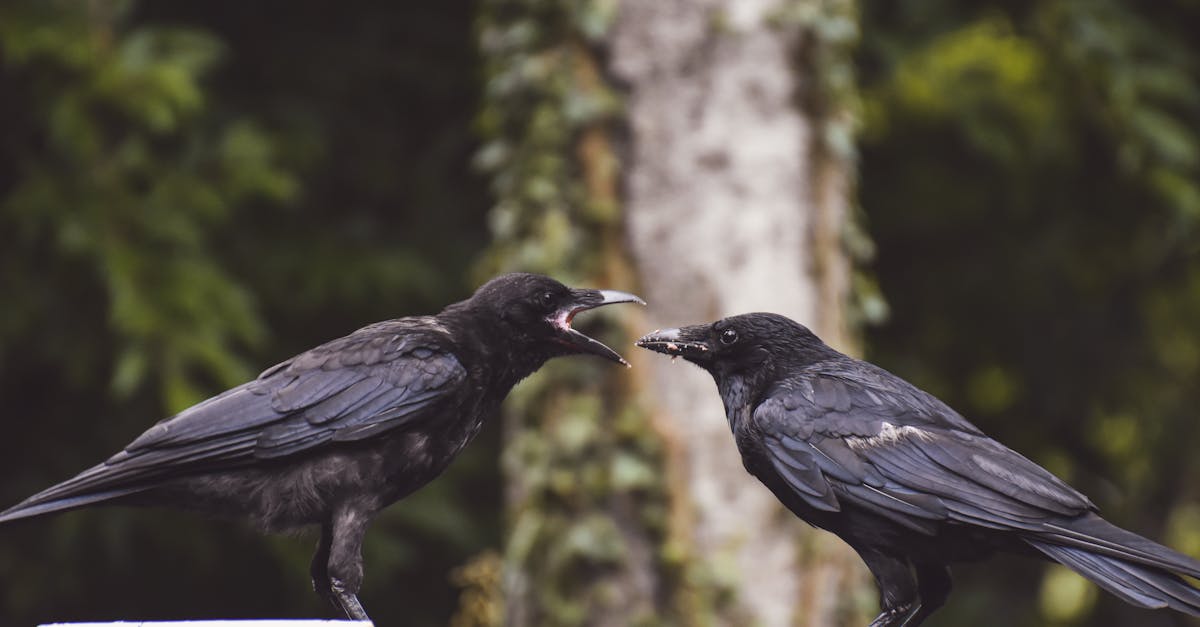
Advertisement
Animal Migration: A Journey Without Borders
Migration is an incredible feat, showcasing the endurance and navigational skills of various species. Consider the Arctic tern, a small bird that travels from pole to pole, or the monarch butterfly, whose epic journey spans generations. These migrations are a testament to nature's grandeur, highlighting the determination of animals to endure and thrive.
Advertisement
Nocturnal Adaptations: The Night Owls of the Animal Kingdom
When the sun sets, a different world awakens. Many animals have evolved to thrive in the dark, relying on enhanced senses or unique abilities to navigate the nocturnal landscape. Owls, with their exceptional hearing, and bioluminescent creatures like fireflies all play their parts in the vibrant symphony of the night.
Advertisement
Parental Instincts: Nurture in the Animal Kingdom
Parental care is a pivotal aspect of animal behavior, ensuring the survival of offspring. From penguins that endure freezing temperatures to incubate eggs, to chimpanzees teaching their young how to use tools, the instinct to nurture is profound and universal. Such dedication underscores the lengths to which nature will go to preserve life.
Advertisement
Animal Tool Use: Ingenious Innovations
Animals can be surprisingly inventive, crafting and using tools to meet their needs. Dolphins use marine sponges to protect their snouts while foraging, and New Caledonian crows are renowned for their intricate tool-making skills. These behaviors illustrate intelligence within the animal kingdom, challenging our understanding of cognition and creativity.
Advertisement
Symbiosis: Unlikely Partnerships in Nature
Symbiosis demonstrates that collaboration is often key to survival in the wild. Take the clownfish and anemone: the clownfish finds safety among the anemone's stinging tentacles, while providing nutrients in return. This harmonious relationship is replicated across ecosystems, emphasizing cooperation as a common thread in nature's tapestry.
Advertisement
A Final Word on the Wonders of Wildlife
Decoding 100 animal queries uncovers a world teeming with wonder and complexity. From communication to migration, camouflage to tool use, the behaviors and adaptations of animals continue to fascinate and inspire. By delving deeper into these mysteries, we gain a greater appreciation for the diversity and resilience residing in the wild.
Advertisement