Everyday Pet Care: Practical Animal Wellness Answers
A Strong Start With Daily Observation
Caring for a pet involves more than filling a bowl and scheduling occasional grooming. Everyday Pet Care Animal Wellness Answers begin with observing routines, preventing avoidable problems, and creating a home where animals can thrive. Small habits often make the biggest difference, especially when they are consistent and calm.
Advertisement
Build a Reliable Daily Routine
Everyday Pet Care Animal Wellness Answers start with predictability. Most pets feel more secure when meals, walks, playtime, rest, and bathroom breaks follow a familiar rhythm. A routine also helps owners notice changes sooner. If a normally enthusiastic dog ignores breakfast or a sociable cat suddenly hides, that difference deserves attention rather than dismissal as simple moodiness. Keep a brief record of eating, drinking, energy, and bathroom patterns when necessary. This information can make conversations with a veterinary professional clearer and more useful. Routines should remain flexible enough for travel, weather, and unexpected events, but a dependable general structure gives animals a reassuring sense of order.
Advertisement
Make Nutrition a Measured Habit
Food affects energy, body condition, digestion, and long-term wellbeing, so portions deserve as much attention as ingredients. Everyday Pet Care Animal Wellness Answers include serving an age-appropriate, species-specific diet and measuring meals instead of relying on guesswork. Treats can be part of a healthy relationship, but they should not quietly replace balanced food. Many treats are small in size yet mighty in calories, like tiny edible accountants keeping unfortunate financial records. Fresh water should be available and changed regularly, with bowls washed to prevent buildup. Avoid sharing foods that may be unsafe for animals, including heavily seasoned, fatty, or toxic ingredients. When changing diets, gradual transitions are generally gentler than sudden switches, while special nutritional needs should be discussed with a qualified veterinary professional.
Advertisement
Support Movement and Mental Stimulation
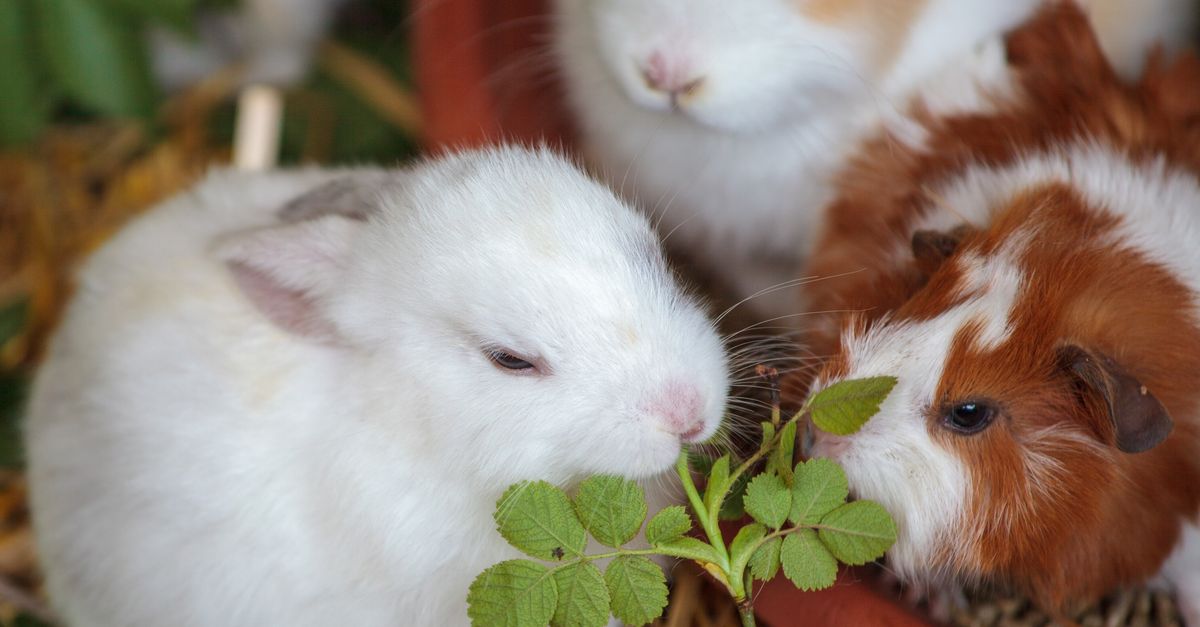
Everyday Pet Care Animal Wellness Answers also mean treating exercise as both physical maintenance and entertainment. Dogs may benefit from walks, sniffing opportunities, training games, and safe off-leash activity where appropriate. Cats often enjoy climbing spaces, puzzle feeders, window views, and short bursts of interactive play that imitate hunting. Rabbits and other small animals need room to move, explore, and investigate safely rather than living in a cramped enclosure. Match activity to the animal’s age, size, temperament, and physical ability. A senior pet may prefer several gentle sessions, while a young animal may need more frequent outlets for enthusiasm. Watch for unusual fatigue, reluctance, or discomfort and seek professional guidance when concerns persist.
Advertisement
Create a Comfortable, Safe Home
Good animal wellness depends heavily on the environment. Provide clean bedding, suitable temperature, fresh air, and a quiet retreat where a pet can rest undisturbed. Secure loose wires, medicines, cleaning products, poisonous plants, and small objects that could be swallowed. Windows, balconies, fences, carriers, and doors deserve regular safety checks because clever animals are surprisingly talented escape planners. Keep food, litter, bedding, and toys clean, replacing damaged items before they become hazards. Multi-pet households may need separate feeding areas, hiding places, or resting zones to reduce competition. A comfortable home is not necessarily lavish; it is predictable, clean, enriching, and designed around the animal’s natural behaviors.
Advertisement
Stay Consistent With Preventive Care
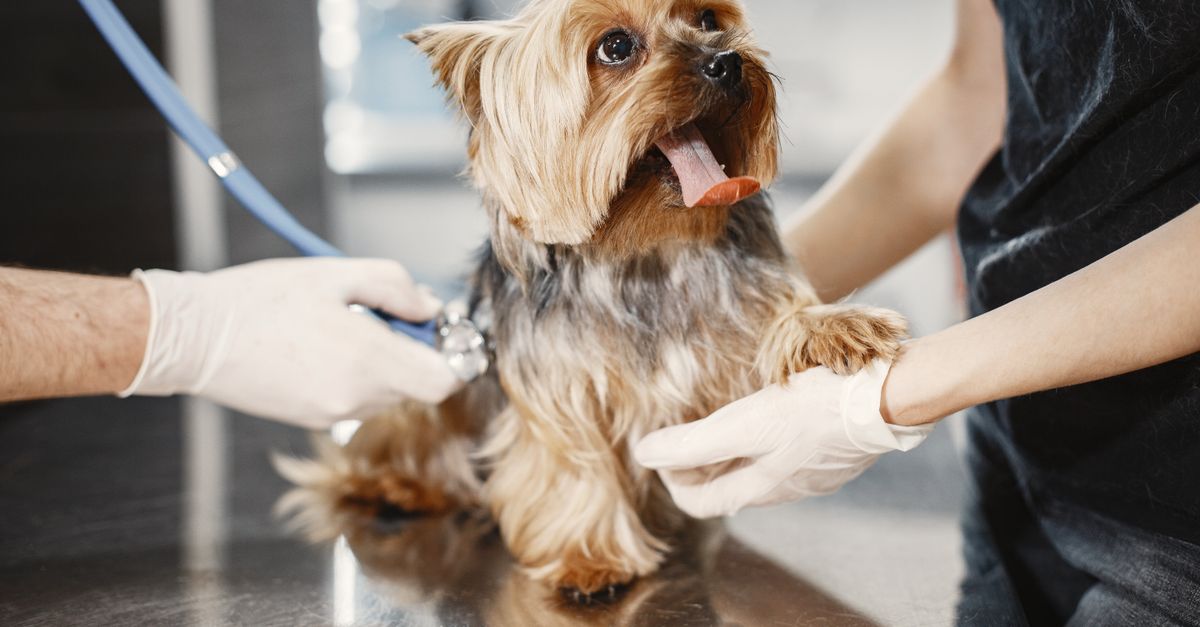
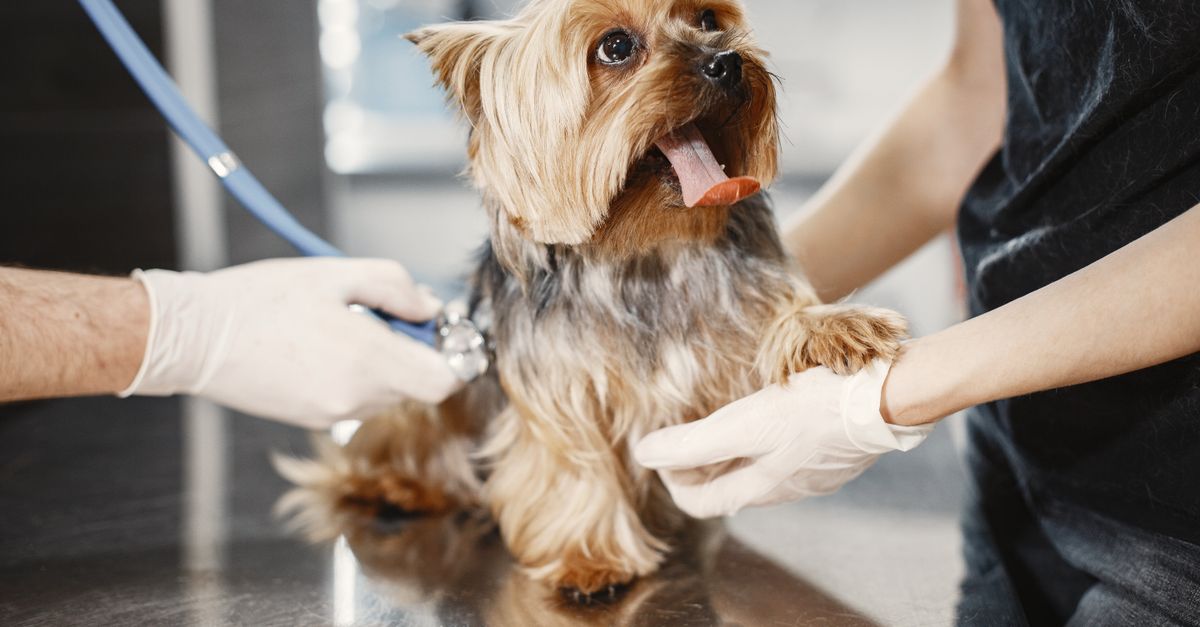
Everyday Pet Care Animal Wellness Answers include preventive appointments, vaccinations where recommended, parasite protection, dental attention, grooming, and weight monitoring. The right schedule differs by species, age, lifestyle, location, and health history, so a veterinary professional is the appropriate source for individualized recommendations. At home, owners can check coats, paws, ears, nails, teeth, and skin during calm handling sessions, stopping if the animal becomes frightened or distressed. Early attention to changes is valuable because pets often conceal discomfort. Warning signs may include persistent appetite changes, breathing difficulty, repeated vomiting, severe lethargy, sudden behavior changes, or trouble moving. These situations call for prompt professional assessment rather than home experimentation.
Advertisement
Understand Behavior as Communication
Behavior is one of the clearest ways animals communicate, although their messages do not arrive with subtitles. Everyday Pet Care Animal Wellness Answers require looking beyond unwanted actions to identify possible causes. Scratching may reflect normal marking or a need for better surfaces; barking may signal boredom, fear, excitement, or a response to the environment. Punishment can increase anxiety and weaken trust, while reward-based training helps reinforce desirable behavior. Use small rewards, clear cues, patience, and repetition. Give animals time to adjust to visitors, new pets, travel, or household changes. If aggression, severe fear, destructive behavior, or sudden house-soiling appears, professional behavior support can help identify a safer and more effective approach.
Advertisement
Make Grooming Calm and Practical
Grooming is not merely a beauty ritual performed for social media approval. Brushing can reduce mats and loose hair, nail care supports comfortable movement, and bathing may remove dirt when appropriate for the species and coat. Introduce tools gradually, pairing brief handling with praise and rewards. Never force a frightened animal through a long session if shorter practice is possible. Use products made specifically for animals, since human formulas may be unsuitable. Long-haired pets, folded-skin breeds, animals with thick coats, and those prone to ear or dental problems may need more regular attention. Grooming also creates useful opportunities to notice lumps, parasites, irritated skin, sore areas, or other changes that warrant professional review.
Advertisement
Prepare for Change and Emergencies
Responsible ownership includes planning for disruptions before they happen. Keep identification details current, maintain a carrier or secure travel setup, and store important records in an accessible place. A basic pet supply kit may include food, water, medications prescribed for that animal, cleaning materials, waste bags, familiar bedding, and contact information for veterinary services. Introduce carriers, harnesses, crates, and car travel gradually so they are not associated only with stressful events. During storms, fireworks, heat, or cold weather, provide a secure indoor area and follow reliable local guidance. Emergency planning should be tailored to the animal and household, with professional advice used for urgent health concerns rather than improvised treatment.
Advertisement
The Value of Small, Steady Habits
Everyday Pet Care Animal Wellness Answers are ultimately less about perfection than consistency. Nutritious food, clean water, suitable activity, enrichment, safe surroundings, grooming, preventive care, and thoughtful observation form a practical foundation for a good life. Pets benefit when people notice both ordinary patterns and meaningful changes. Kind handling and dependable routines strengthen trust, while professional support helps address concerns that daily care cannot solve. In short, attentive habits turn ordinary moments into lasting protection, comfort, and companionship.
Advertisement