Practical Pet Care And Animal Answers: A Home Guide
Start With the Everyday Essentials
Good pet care is less about expensive gadgets than steady habits: fresh water, suitable food, safe surroundings, gentle handling, and attention to changing behavior. Whether you share your home with a dog, cat, rabbit, bird, or scaled companion, practical knowledge helps prevent avoidable problems and makes daily life calmer for everyone.
Advertisement
Build a Routine That Fits the Animal
Practical Pet Care And Animal Answers begins with understanding that no two animals have identical needs. Species, breed, age, size, temperament, and previous experience all influence the right routine. Dogs may need regular walks and training games, while cats often prefer predictable meals, climbing spaces, and quiet retreat areas. Small mammals may require carefully maintained bedding, hiding places, and opportunities to forage. A routine should be dependable without becoming rigid. Feeding, exercise, cleaning, play, and rest are easier to manage when they happen at roughly consistent times, but a little flexibility prevents household life from becoming a military parade.
Advertisement
Choose Food and Water Thoughtfully
Practical Pet Care And Animal Answers also means treating nutrition as a daily responsibility rather than a guessing game. Choose food designed for the animal’s species and life stage, and follow the product guidance unless a qualified animal professional recommends something different. Portion sizes matter because enthusiastic eaters rarely volunteer to stop. Fresh water should be available and refreshed regularly, with bowls washed often enough to prevent slimy buildup. Sudden dietary changes can upset digestion, so introduce new foods gradually. Treats are useful for bonding and training, but they should remain a small part of the overall diet. A pleading face is persuasive, but it is not a nutrition label.
Advertisement
Make the Home Safer
Practical Pet Care And Animal Answers requires looking at the home from an animal’s point of view. Secure loose wires, medicines, cleaning products, toxic plants, small objects, and foods that are unsuitable for pets. Windows, balconies, doors, and garden gates deserve particular attention because curiosity has excellent escape-planning skills. Provide stable bedding, appropriate hiding spots, and flooring that is comfortable and secure. Keep litter trays, cages, aquariums, and food areas clean according to the species’ needs. Safe spaces are especially important for nervous animals, which may cope better when they can retreat without being chased, cornered, or constantly disturbed.
Advertisement
Exercise, Enrichment, and Good Behavior
Practical Pet Care And Animal Answers goes beyond feeding and cleaning; animals also need suitable activity and mental stimulation. Walks, scent games, puzzle feeders, training sessions, climbing structures, chew-safe toys, and supervised exploration can reduce boredom. The best enrichment matches natural behavior: digging for some animals, searching for others, perching, scratching, chasing, or manipulating objects. Introduce new activities gradually and observe whether the animal appears interested or overwhelmed. Reward-based training usually makes learning clearer and more enjoyable than punishment. Calm repetition builds trust, while shouting tends to teach only that humans can make surprising noises.
Advertisement
Read Behavior as Communication
Practical Pet Care And Animal Answers includes learning an animal’s normal behavior so unusual changes are easier to notice. Appetite, thirst, sleep, movement, grooming, vocalization, and social habits can all provide useful clues about wellbeing. A normally outgoing pet that hides, a playful companion that becomes unusually quiet, or an animal that suddenly changes its eating or toileting habits deserves careful attention. Keep brief notes when something seems different, including when it started and what else changed. General information cannot diagnose a condition, so concerning or persistent changes should be discussed with a qualified veterinarian or other appropriate animal-care professional.
Advertisement
Handling, Grooming, and Cooperation
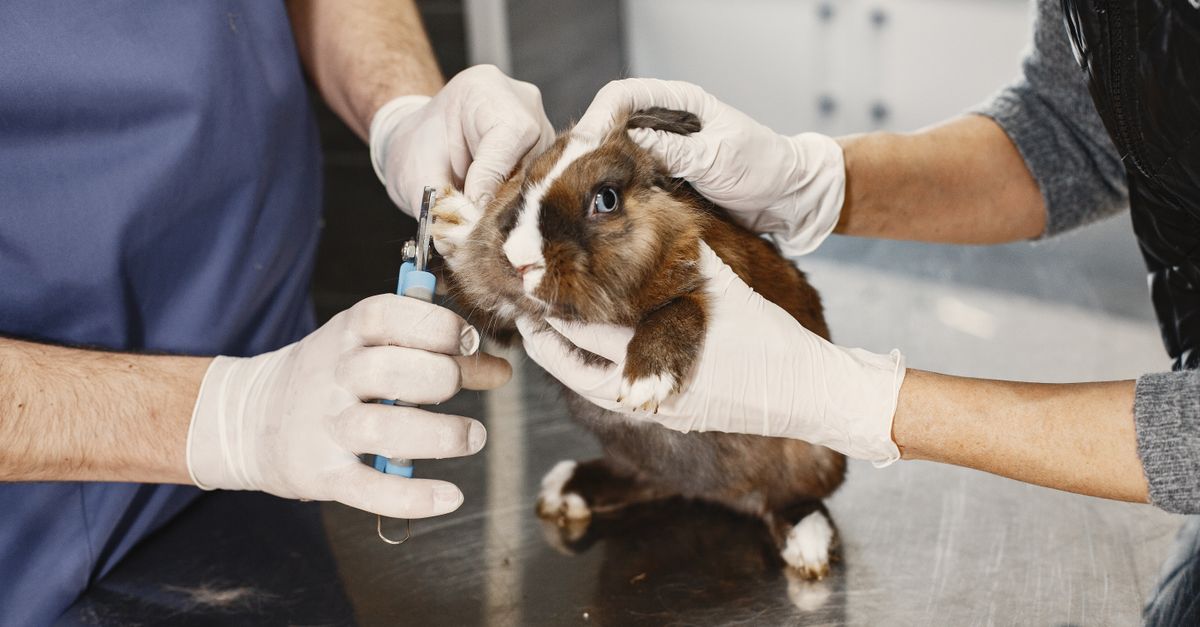
Practical Pet Care And Animal Answers depends on making routine handling feel safe rather than treating it as a surprise inspection. Touch paws, ears, tails, feathers, or other sensitive areas gently and only as the animal tolerates it. Pair brief handling with praise, food rewards, or a favorite activity. Introduce brushes, nail equipment, carriers, and towels slowly, allowing the animal to investigate them before use. Never force a frightened pet into prolonged contact when a pause is possible. Grooming needs vary widely, and some tasks are best carried out by a trained professional. Patience is not merely polite; it is a practical safety tool.
Advertisement
Prepare for Travel and Emergencies
A sensible household plan is another part of Practical Pet Care And Animal Answers. Keep identification details current, including contact information and any required registration. For travel, use a secure carrier, crate, or harness suited to the animal, and allow time for gradual acclimatization. A basic emergency kit can include food, water, cleaning supplies, spare bedding, a leash or carrier, records, and familiar comfort items. Store important contact numbers where everyone in the household can find them. During an emergency, reduce noise, prevent escape, and follow instructions from local emergency services and qualified animal professionals rather than relying on improvised internet wisdom.
Advertisement
Support Social and Emotional Needs
Practical Pet Care And Animal Answers should include emotional wellbeing, not just physical maintenance. Some animals thrive on companionship, while others need more personal space than their humans expect. Watch body language: relaxed posture, normal movement, and voluntary interaction generally suggest comfort, while freezing, hiding, repeated avoidance, flattened ears, defensive behavior, or excessive vocalization may signal stress. Introduce new people, animals, rooms, and routines gradually. Children should be taught to respect sleeping, eating, and hiding spaces. Supervision matters because even a friendly animal can react unpredictably when frightened, sore, or overwhelmed.
Advertisement
Keep Learning and Adjusting
Practical Pet Care And Animal Answers works best as an ongoing process rather than a checklist completed once. As an animal grows older, its activity, diet, environment, and tolerance for handling may change. Reassess furniture, toys, access arrangements, and daily schedules periodically. Reliable books, reputable animal organizations, qualified trainers, and veterinary teams can help owners separate useful guidance from confident nonsense. When advice conflicts, consider the animal’s species, history, and individual response, and prioritize safety. Good care is observant, adaptable, and humble enough to change course when the evidence says the current plan is not working.
Advertisement
A Steady Approach Makes the Difference
Healthy routines are built from small, repeatable choices: appropriate food, clean water, safe spaces, enrichment, gentle handling, and careful observation. Understanding an animal’s normal patterns makes unusual changes easier to recognize and discuss with qualified professionals. The most successful homes balance consistency with flexibility as pets age or circumstances change. Thoughtful care may not look glamorous, but it is one of the clearest ways to build trust and support a companion’s everyday wellbeing.
Advertisement