Unveiling Century of Pet Wonders
Introduction
The last century has witnessed a fascinating evolution in pet ownership, transforming the role of pets within our societies. From historical to modern times, pets have grown from being mere companions to integral members of households. This article explores this transformation and how it has shaped human relationships with pets. Pets have not only provided companionship but also influenced various facets of our culture and economy. What sparked this shift in perception towards animals that were once primarily companions in labor? A closer look takes us through a century of pet wonders, discovering how human-pet bonds have strengthened and evolved.
Advertisement
Early 20th Century Pet Keeping
At the start of the 20th century, pets, primarily dogs, and cats, were mostly kept for practical purposes, like hunting or companionship in rural areas. This period saw pets as functional companions rather than pampered family members. Cats used to roam ships and farms to keep the rodent population in check. Dogs stood guard, protected livestock, or assisted in hunting expeditions. Often, the care provided towards these animals was basic, with luxurious pet products being non-existent. Despite this, bonds between pets and owners had already started forming beyond utility and function, laying the groundwork for today’s emotional partnerships.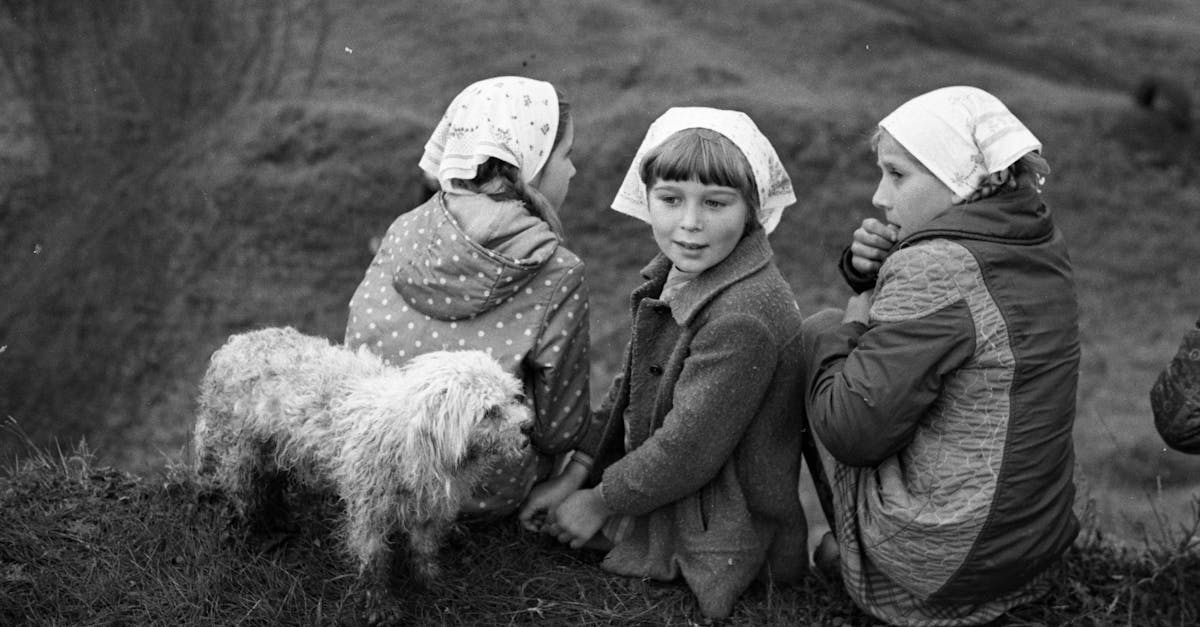
Advertisement
Post-War Pet Boom
Following World War II, a significant change occurred in how people perceived pets, especially in Western nations. As societies became more suburban, families began embracing pets as symbols of stability and comfort. With increased affluence, people had more resources and time to dedicate towards caring for pets. The rise of the American dream featured the iconic image of a house with a white picket fence, a family, and loyal pets sharing the space. This era also marked the development of the pet industry, with goods and services tailored specifically for pet care and welfare.
Advertisement
Rise of Pet Services
During the late 20th century, pet services began to flourish, reflecting a growing human-pet interdependence. As more individuals acknowledged pets as part of the family, pet-related businesses expanded. This era saw the establishment of veterinary clinics, pet grooming parlors, and training services. Additionally, pet insurance emerged, offering pet owners peace of mind regarding unforeseen healthcare costs. As society evolved technologically, so did the resources available to enhance the well-being of pets. Accessibility to pet information, coupled with an emphasis on animal rights, further strengthened the human-pet bond.
Advertisement
Technological Advancements and Pets
The 21st century has ushered an era where technology meets pet care, blending robotics and artificial intelligence to enhance pets' lives. Smart collars and digital trackers now allow pet owners to monitor and ensure their pet’s safety and well-being. Innovations like automatic feeders and pet cameras provide convenient methods for pet care, even when owners are absent. Moreover, online communities and apps have enabled people to adopt pets, schedule vet visits, and explore training tips more effortlessly than ever before. This integration of technology has dramatically improved the quality of life for both pets and their owners.
Advertisement
The Modern Pet Industry
Today’s pet industry thrives as a multibillion-dollar sector, driven by a consumer base that treats pets as family. Market research indicates continuous growth in sectors such as pet food, accessories, and health care products. Organic diets, pet spas, and weather-proof apparel for animals symbolize an era where pets receive luxury treatment comparable to humans. Businesses focus on enhancing aesthetics, comfort, and the diverse needs of household pets. Modern pets now enjoy amenities that cater to their well-being, reflecting a cultural shift that places immense value on animal companionship.
Advertisement
Human-Pet Psychological Benefits
Pets have become cherished companions because they contribute positively to human mental health and well-being. Numerous studies underscore the therapeutic effects pets have on reducing stress and anxiety, increasing physical activity, and providing emotional stability. Companion animals are often part of therapeutic programs in hospitals and care homes, showcasing their ability to comfort individuals in distressing environments. These mutual benefits explain the growing human affinity towards pets. In many cases, pets are seen as irreplaceable companions, offering non-judgmental relationships and unwavering loyalty.
Advertisement
Pet Welfare and Rights
The past century has also witnessed critical advancements in animal rights advocacy. Movements advocating for responsible pet ownership and animal welfare laws have gained prominence. Animal shelters and rescue organizations have made strides in ensuring that abandoned pets find loving homes. Global understanding and commitment to the prevention of animal cruelty have driven legislative changes in many regions. Ethical breeding practices and wildlife conservation efforts reflect a more compassionate approach towards all animals, demonstrating a commitment to improving their lives. These actions have fostered a more informed and caring pet-owner community.
Advertisement
The Future of Pet Ownership
Looking ahead, the evolution of pet ownership is set to explore new horizons. With increasing urbanization, pets like cats and smaller dog breeds may continue to gain popularity as city-dwellers seek companionship without compromising space. Moreover, environmental consciousness will influence pet product manufacturing, emphasizing sustainable practices. Advances in genetic research could revolutionize health care for pets, extending their lifespan and quality of life. As virtual reality and AI technologies develop further, future prospects may include advanced interactive experiences with digital pets, expanding the definition of what it means to "own" a pet.
Advertisement
Conclusion
The journey of pet ownership across the last century has been a trip from utility to cherished companionship, woven intricately into the social and emotional fabric of human life. From practical beginnings, pets have grown to be significant familial presence, gaining attention and affection equal to their human counterparts. Influenced by cultural, technological, and societal shifts, the bond has only strengthened over time. As we look to the future, the interplay between human and pet lives promises continued innovation and deeper connections. Pets stay embedded in our hearts and homes, enriching our lives beyond measure, a true testament to the enduring human-animal relationship.
Advertisement