100 Answers Pet Care Animal Wellness Guide Explained
A Whole-Life Approach to Pet Wellness
Pets thrive when everyday care is consistent, observant, and suited to their individual needs. 100 Answers Pet Care Animal Wellness Guide brings practical ideas together, from nutrition and exercise to grooming, enrichment, safety, and aging. It treats wellness as a whole-life habit rather than a frantic scramble whenever something seems unusual.
Advertisement
Start With Individual Needs
There is no universal care plan that fits every whisker, feather, scale, or wagging tail. Species, breed, age, size, temperament, and living environment all influence what a pet needs. A lively young terrier may require more activity than a senior cat, while a rabbit’s housing and diet differ dramatically from those of a dog. The best routine begins with observation: note normal appetite, energy, sleep, bathroom habits, movement, and social behavior. Familiarity makes changes easier to notice and prevents care from becoming a checklist performed on autopilot.
Advertisement
Build Reliable Daily Routines
100 Answers Pet Care Animal Wellness Guide emphasizes simple routines because consistency reduces stress for animals and people alike. Meals should be offered in a way that suits the animal’s species and household schedule, with clean water available as appropriate. Regular rest, play, toileting opportunities, and quiet time create a predictable rhythm. Keep supplies in practical locations, record unusual changes, and introduce adjustments gradually when possible. A routine does not need military precision; it simply needs to be dependable enough that your pet knows what comes next.
Advertisement
Nutrition Without the Guesswork
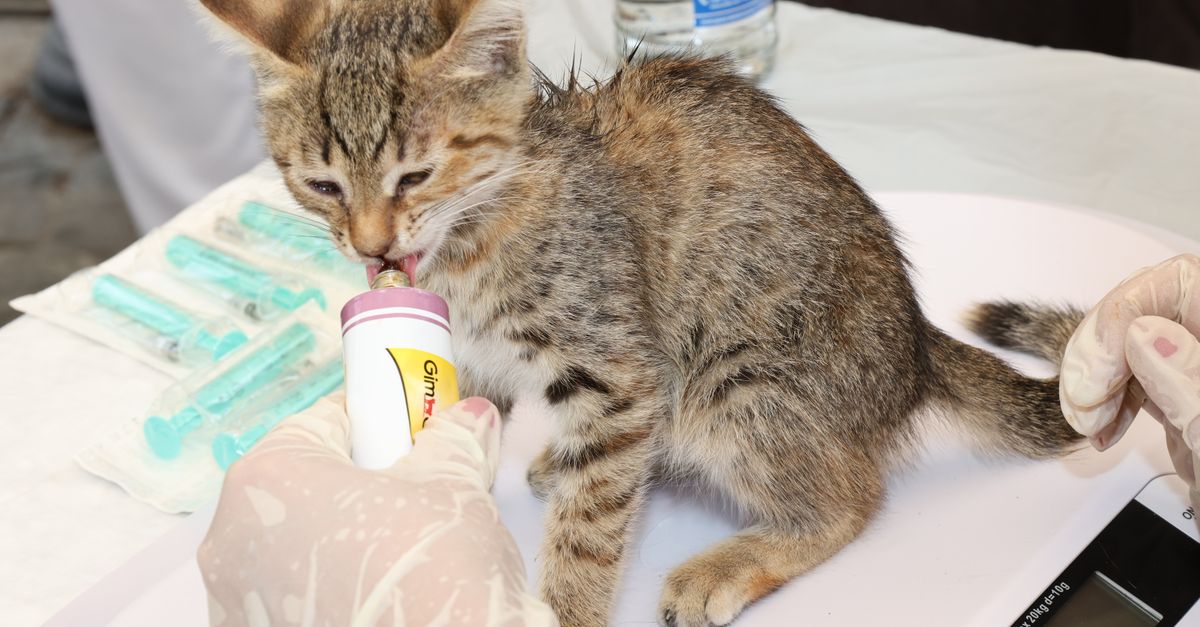
Food is more than a source of calories: it supports growth, energy, body condition, and everyday function. Choose food made for the correct species and life stage, and follow reputable feeding guidance rather than relying on dramatic internet claims or a pet’s most persuasive begging face. Treats should remain a modest part of the overall diet, especially when they are rich or used frequently during training. Fresh water, safe food storage, and clean bowls matter too. If appetite, weight, digestion, or thirst changes noticeably, professional veterinary guidance is the sensible next step.
Advertisement
Movement, Play, and Enrichment
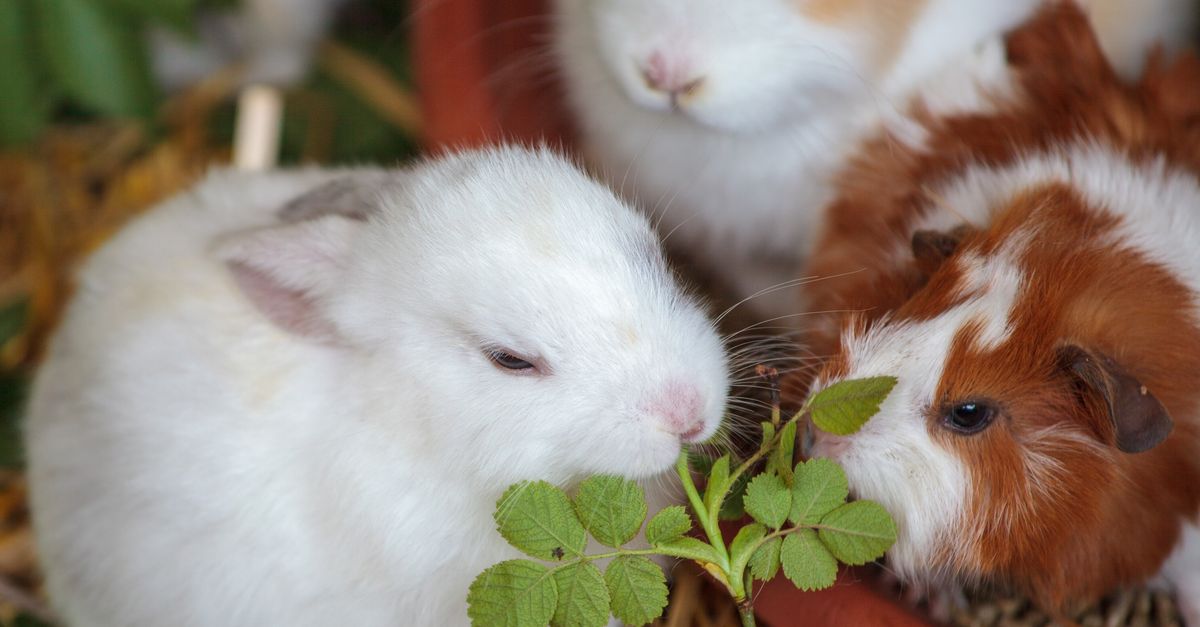
A healthy animal needs opportunities to move, explore, and make choices. 100 Answers Pet Care Animal Wellness Guide treats enrichment as mental exercise as well as physical activity. Dogs may enjoy walks, scent games, and training; cats often benefit from climbing spaces, puzzle feeders, and interactive play; birds need suitable social stimulation and safe areas to explore. Small mammals can enjoy species-appropriate tunnels, chews, and foraging activities. Match intensity to the animal’s abilities, provide supervision where needed, and remember that five engaging minutes can be more valuable than a long, boring session.
Advertisement
Grooming and Everyday Observation
Grooming is not merely a beauty ritual, although a well-brushed coat can certainly make a pet look ready for a tiny magazine cover. Brushing, nail care, bathing when appropriate, dental habits, and cleaning of living spaces can support comfort and help owners notice changes. Handle animals calmly and reward cooperation so grooming does not become a wrestling tournament. During these routines, check for changes in skin, coat, eyes, ears, feet, posture, or behavior. Avoid using human products or improvised treatments unless a qualified professional confirms they are suitable.
Advertisement
Safety at Home and Outside
100 Answers Pet Care Animal Wellness Guide also places safety beside nutrition and exercise, where it belongs. Secure toxic substances, medications, small objects, unsafe plants, loose wires, hot surfaces, and accessible rubbish. Windows, balconies, doors, fencing, carriers, collars, and identification details deserve regular checks. Outdoor animals need protection from traffic, extreme temperatures, parasites, and unfamiliar hazards. Introduce new environments gradually and supervise interactions with children or other animals. A pet-proof home is less about bubble-wrapping the household and more about removing predictable opportunities for trouble.
Advertisement
Emotional Health Matters
Physical care is only half the picture. Animals can experience fear, boredom, frustration, loneliness, and stress, even though they will never explain these feelings over a cup of tea. Provide safe resting places, species-appropriate companionship, hiding options where suitable, and a balance between stimulation and quiet. Watch body language: flattened ears, tucked tails, excessive vocalizing, avoidance, destructive behavior, or sudden withdrawal may signal that something in the environment needs attention. Punishment can increase fear, while patient training and calm routines usually build trust more effectively.
Advertisement
Supporting Pets Through Change
100 Answers Pet Care Animal Wellness Guide recommends preparing thoughtfully for transitions such as moving house, welcoming a baby, changing schedules, introducing another animal, or traveling. Preserve familiar food, bedding, scents, and routines when practical, and make changes in manageable stages. Give the pet a quiet retreat and avoid forcing interactions. Older animals may need easier access to food, water, resting places, and toileting areas, while young animals benefit from gentle boundaries and repeated practice. When behavior or physical function changes persist, seek advice from a veterinarian or qualified animal behavior professional.
Advertisement
When Professional Support Is Needed
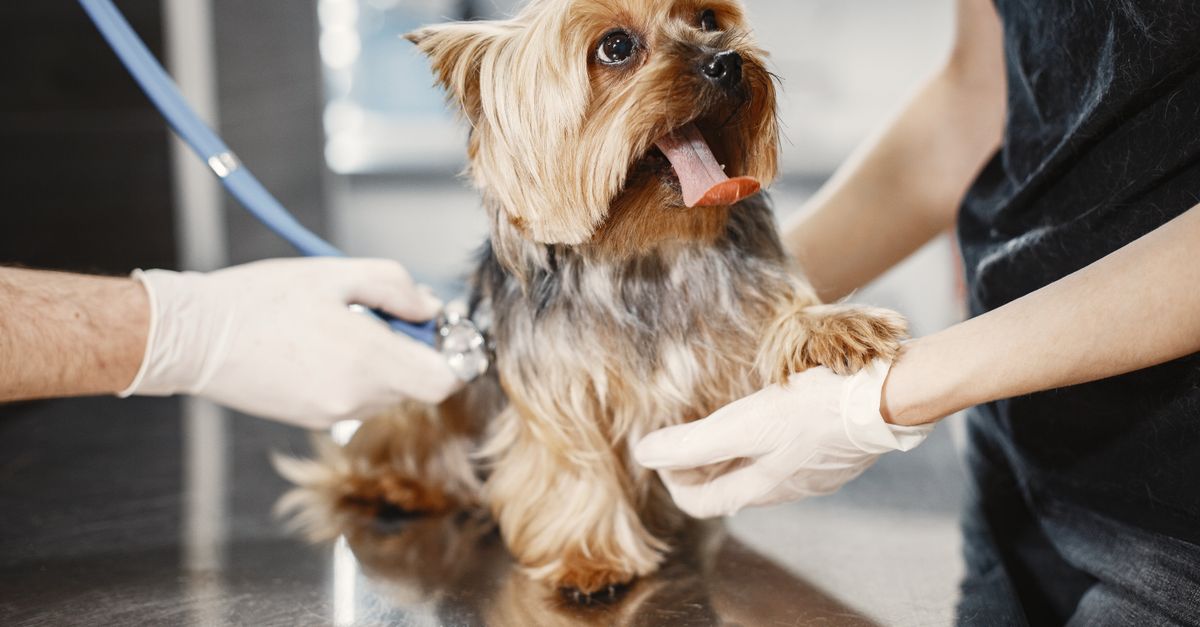
Good home care does not replace professional assessment. Arrange routine veterinary care suited to the animal’s species and circumstances, and keep relevant records such as identification details, diet information, previous treatments, and observed changes. Promptly contact a veterinary professional when an animal has difficulty breathing, collapses, suffers a significant injury, cannot keep fluids down, shows severe pain, or behaves dramatically differently. Avoid diagnosing from search results, sharing leftover medication, or waiting indefinitely because a pet appears embarrassed by its symptoms. Professionals have training, tools, and—crucially—less confidence than an online comment section.
Advertisement
A Practical Wellness Checklist
The core of 100 Answers Pet Care Animal Wellness Guide is wonderfully ordinary: provide suitable food and water, encourage movement, offer enrichment, maintain hygiene, protect the environment, observe behavior, and arrange professional care. Review the household from the pet’s point of view every few weeks. Is the water accessible? Is the resting area comfortable? Are toys safe and still interesting? Can the animal retreat from noise? Small improvements often have a larger effect than expensive gadgets, especially when they are repeated consistently.
Advertisement
Conclusion
100 Answers Pet Care Animal Wellness Guide frames animal wellness as a collection of sensible habits rather than a search for perfection. Nutrition, exercise, grooming, enrichment, safety, emotional security, and professional support all work together. Care should be adapted to the individual animal and revised as its needs change. With patience and observation, everyday choices can help pets feel safer, healthier, and more comfortable throughout their lives.
Advertisement