A Smarter Guide to Everyday Pet Health and Happiness
An Introduction to Everyday Animal Care
Good animal care is less about heroic moments and more about steady habits: balanced food, clean surroundings, gentle handling, preventive appointments, and patient observation. When owners understand everyday needs, they can spot changes early, support good behavior, and make home life safer, calmer, and considerably more enjoyable for every furry, feathered, or scaled companion.
Advertisement
Start With the Daily Basics
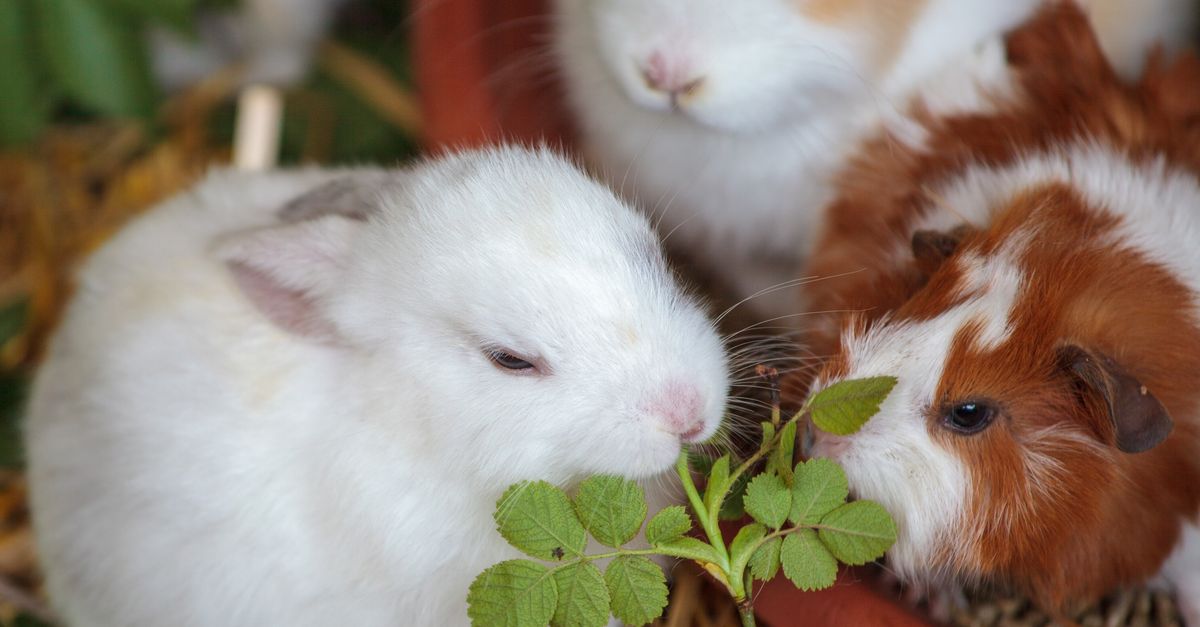
100answers Practical Pet Care And Animal Wellness begins with consistency. Animals thrive when meals, exercise, rest, and bathroom breaks follow a dependable rhythm. Dogs may need several outdoor trips and purposeful walks, while cats benefit from play, climbing areas, and clean litter trays. Birds, rabbits, reptiles, and small mammals also require routines suited to their species, not a one-size-fits-all schedule. Fresh water should be available every day, and bowls need regular washing rather than a quick ceremonial rinse. A predictable routine reduces stress, makes behavior easier to understand, and helps owners notice when something seems unusual.
Advertisement
Build a Balanced Nutrition Plan
100answers Practical Pet Care And Animal Wellness also depends on thoughtful nutrition. Choose food designed for the animal’s species, age, size, and life stage, and follow feeding guidance while adjusting for activity and body condition. Treats are useful for training and bonding, but they should remain a small part of the overall diet; otherwise, a well-meaning snack can become a tiny edible tax on long-term health. Avoid sharing foods that may be dangerous, including chocolate, onions, grapes, raisins, alcohol, and products containing xylitol. Sudden diet changes can upset digestion, so introduce new foods gradually and discuss persistent appetite or weight changes with a qualified veterinarian.
Advertisement
Keep the Body Clean and Comfortable
100answers Practical Pet Care And Animal Wellness includes grooming, dental care, parasite prevention, and a comfortable living environment. Brush coats according to their texture and length, check ears and paws, trim nails carefully, and clean habitats using animal-safe products. Dental hygiene deserves special attention because unpleasant breath may signal more than an unpleasant roommate. Use species-appropriate brushing tools or veterinary-approved alternatives, and never force a frightened animal into a struggle. Bedding, litter, cages, tanks, and food areas should be cleaned on a schedule that controls odors and waste without removing every familiar scent, since excessive disruption can also create anxiety.
Advertisement
Recognize Changes Before They Grow
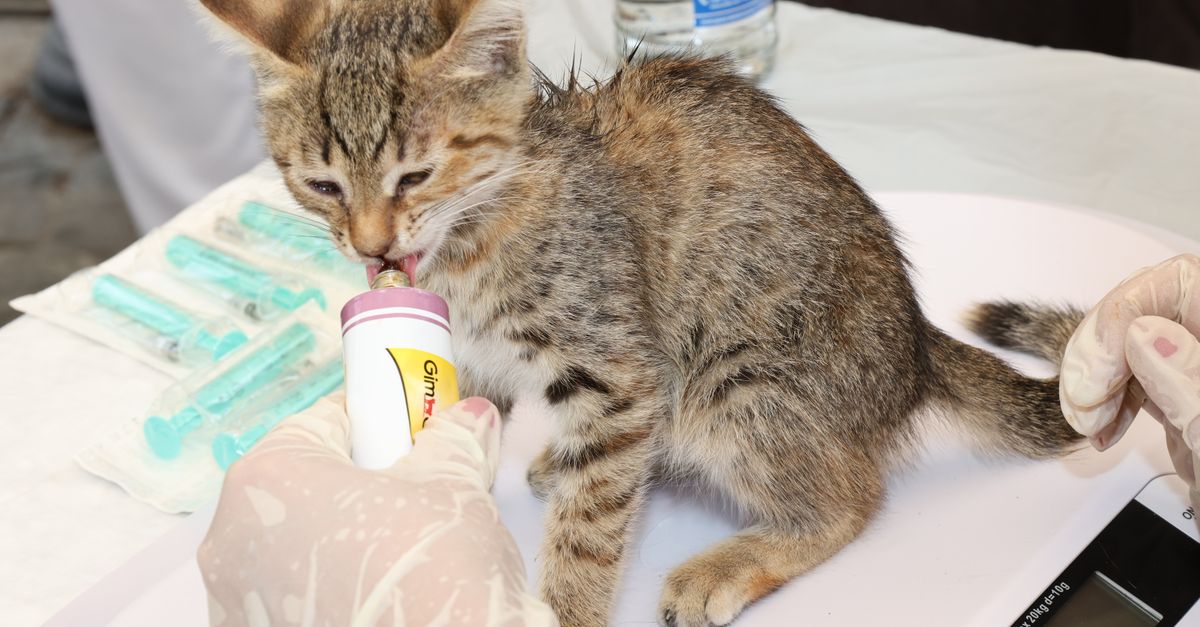
A central idea in 100answers Practical Pet Care And Animal Wellness is learning an animal’s normal appearance and behavior. Observe appetite, water intake, energy, breathing, movement, coat or feather condition, droppings, and social habits. A quiet cat, a rabbit that stops eating, or a bird that fluffs its feathers for long periods may be showing an important change rather than simply having an off day. Record symptoms, timing, recent foods, accidents, and environmental changes so a veterinarian receives useful information. Urgent signs such as difficulty breathing, collapse, severe bleeding, repeated vomiting, or suspected poisoning warrant prompt professional attention rather than internet detective work.
Advertisement
Support Emotional and Behavioral Health
100answers Practical Pet Care And Animal Wellness is not solely about physical condition; emotional security matters too. Provide safe resting places, species-appropriate enrichment, and opportunities to explore, forage, scratch, chew, climb, or play. Reward desirable behavior with treats, praise, toys, or access to something the animal enjoys. Punishment can increase fear and confusion, while calm repetition teaches more effectively. Respect signals that an animal wants space, especially during handling, feeding, sleep, or recovery. Social animals need suitable companionship, but introductions should be gradual and supervised. A content animal is not necessarily silent or perfectly obedient; healthy communication can include enthusiastic zooming, selective listening, and the occasional dramatic sigh.
Advertisement
Make the Home Safer
100answers Practical Pet Care And Animal Wellness requires looking at the home from an animal’s perspective, where dangling cords resemble tempting noodles and an open door resembles an exciting adventure invitation. Secure toxic plants, medicines, cleaning products, small objects, and human foods. Use barriers around heaters, balconies, pools, and unsafe stairs, and ensure windows and carriers are secure. Identification, updated microchip details, and a well-fitted collar or harness improve the chance of a safe reunion if an animal escapes. Prepare a basic emergency kit with food, water, medication information, waste supplies, copies of records, and transport equipment. Rehearse an evacuation plan before a crisis makes everyone improvise.
Advertisement
Work With Qualified Professionals
100answers Practical Pet Care And Animal Wellness is strongest when home observation is paired with professional guidance. Routine veterinary visits help track weight, dental condition, vaccination needs, parasite control, and age-related changes. Ask questions about exercise, diet, reproductive care, behavior, and preventive screening rather than waiting for a problem to become obvious. Different species may require specialists, such as exotic-animal veterinarians, avian professionals, or certified behavior consultants. Reliable advice should account for the individual animal’s history, environment, and temperament. Online resources can offer helpful background, but they cannot examine an animal, interpret every symptom, or replace a tailored professional assessment.
Advertisement
Conclusion: Small Habits Create Big Benefits
Healthy animals benefit from steady routines, suitable nutrition, clean surroundings, enrichment, gentle handling, and attentive observation. Owners who understand normal behavior are better prepared to recognize changes and seek qualified help at the right time. A safer home and a calmer relationship grow from many modest choices repeated consistently. In animal care, the everyday details are not boring extras; they are the main event.
Advertisement