A Practical Guide to Happier, Healthier Pet Routines
A Balanced Approach to Everyday Care
Pet wellness is less about perfect routines and more about consistent care that fits real life. Food, exercise, grooming, enrichment, safety, and emotional connection all shape an animal’s daily experience. By noticing small changes and building sensible habits, owners can support healthier, calmer companions without turning the household into a laboratory.
Advertisement
Start With the Basics
The foundation of 100 Answers Pet Care Wellness is remarkably practical: provide fresh water, suitable food, a clean living space, comfortable rest, and regular opportunities to move. These needs sound obvious, yet busy schedules can make them surprisingly easy to overlook. A dependable routine helps animals feel secure and makes changes easier to spot. Meals should match the pet’s species, age, size, activity level, and individual needs. Treats are useful for training and bonding, but they should remain a small part of the overall diet. Clean bowls, washed bedding, and a tidy litter area are not glamorous chores, but they are the quiet infrastructure of a healthy home.
Advertisement
Nutrition Without the Confusion
A sensible feeding plan is another central idea in 100 Answers Pet Care Wellness. Labels can be crowded with impressive claims, so focus on whether the food is complete and appropriate for the animal’s life stage. Sudden changes in diet may upset digestion, making gradual transitions the wiser option. Portion control matters because even charming begging faces cannot rewrite biology. Measuring meals is more reliable than guessing, especially for pets that are prone to weight gain. Fresh water should always be available, and unusual eating or drinking patterns deserve attention. Human foods, supplements, and treats are not automatically harmless simply because they are natural; ingredients and quantities matter.
Advertisement
Movement and Mental Stimulation
In 100 Answers Pet Care Wellness, exercise means more than burning energy. Walks, play sessions, climbing opportunities, puzzle feeders, scent games, and gentle training provide physical and mental stimulation. The best activity depends on the animal: a young dog may enjoy structured games, while an older cat may prefer short bursts of play followed by a nap worthy of a professional. Start gradually and consider weather, flooring, body condition, and temperament. Variety helps prevent boredom, but rest is equally important. Signs such as persistent reluctance, unusual fatigue, or difficulty moving should not be dismissed as laziness; they may indicate that an animal needs professional assessment.
Advertisement
Grooming as a Health Check
Regular grooming supports 100 Answers Pet Care Wellness while creating useful opportunities to observe the body. Brushing can reduce loose hair and reveal changes in the skin, coat, or underlying shape. Nail care helps maintain comfortable movement, and gentle handling makes future grooming less stressful. Ears, eyes, teeth, paws, and the area beneath thick fur all deserve occasional attention, although cleaning methods should be suitable for the species. Never force a frightened animal through a lengthy session. Short, calm practices paired with praise are usually more effective. Grooming is not a beauty contest; it is a practical inspection with a brush attached.
Advertisement
Preventive Care and Observation
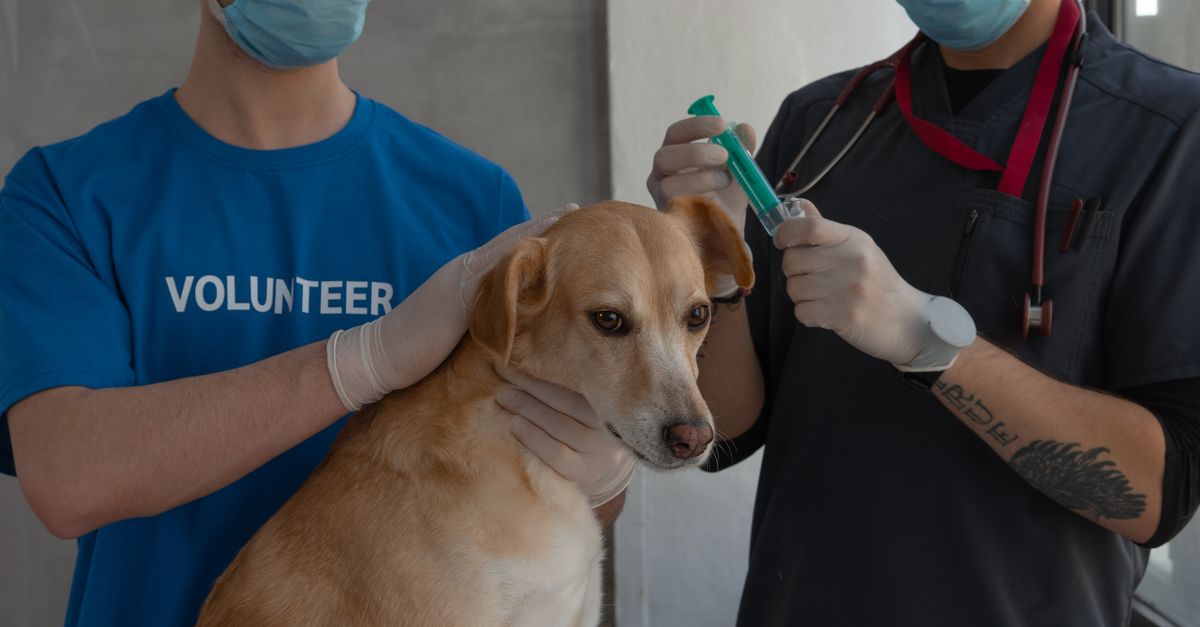
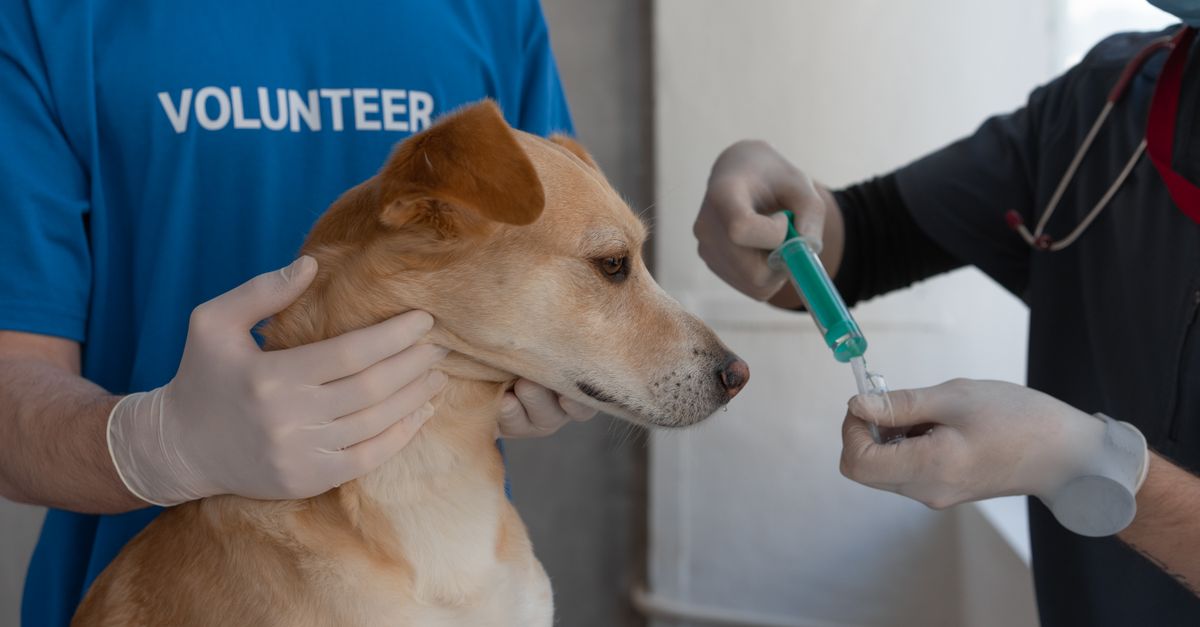
A thoughtful 100 Answers Pet Care Wellness routine includes preventive appointments, parasite control, identification, and a record of important health information. Professional checkups can help identify concerns before they become obvious at home, while vaccination and parasite recommendations should be tailored to the animal’s lifestyle and local risks. Owners can contribute by tracking appetite, water intake, weight, bathroom habits, sleep, mobility, and behavior. A small notebook or phone note can turn vague impressions into useful details. Pay attention to changes that persist, worsen, or occur alongside distress. Seeking veterinary guidance promptly is safer than relying on internet guesses, household remedies, or the ancient method of hoping everything sorts itself out.
Advertisement
Comfort, Safety, and the Home
A safe environment is a major part of 100 Answers Pet Care Wellness. Secure windows, balconies, gates, cords, medications, chemicals, toxic plants, and small objects that could be swallowed. Keep identification current and use secure carriers or harnesses when traveling. Temperature, noise, lighting, and access to a quiet retreat can influence an animal’s comfort more than people realize. Cats often appreciate elevated resting places and clean litter areas; dogs may benefit from predictable sleeping spaces and calm breaks. Small animals and birds have their own environmental requirements, including suitable bedding, enclosure design, ventilation, and enrichment. Safety works best when arranged before curiosity begins its investigation.
Advertisement
Behavior and Emotional Well-Being
The emotional side of 100 Answers Pet Care Wellness deserves the same respect as feeding and grooming. Animals communicate through posture, movement, vocalization, appetite, avoidance, and changes in routine. Fear, boredom, frustration, and loneliness can appear as destructive behavior, excessive vocalizing, hiding, or sudden house-soiling. Punishment may increase anxiety without explaining what the animal should do instead. Reward-based training, predictable routines, safe retreats, and patient socialization generally create better learning conditions. Each animal has a different personality, so comparison with a neighbor’s famously obedient terrier or mysteriously serene rabbit is rarely useful. Progress may be quiet, but quiet progress still counts.
Advertisement
Care That Fits Real Life
The most useful 100 Answers Pet Care Wellness plan is one that owners can maintain. Divide responsibilities among household members, schedule feeding and grooming reminders, and keep essential supplies in consistent places. Build backup plans for travel, illness, bad weather, and unexpected work demands. A simple daily checklist might include food, water, bathroom observations, movement, interaction, and a quick look at behavior. Weekly tasks can include washing bedding, checking nails, rotating enrichment, and reviewing supplies. Practical systems reduce forgotten chores and make caregiving less dependent on memory. Perfection is unnecessary; reliability, kindness, and willingness to adjust are far more valuable.
Advertisement
Conclusion: Small Habits, Stronger Bonds
100 Answers Pet Care Wellness ultimately comes down to attentive habits rather than complicated equipment or flawless schedules. Nutritious food, suitable activity, grooming, preventive care, environmental safety, and emotional support work together to improve daily life. Careful observation helps owners recognize when an animal’s needs have changed and when professional guidance is appropriate. The result is not perfection, but a healthier routine and a stronger, more trusting bond.
Advertisement