A Practical Guide to Happier, Healthier Pet Living
Introduction
Pet wellness is less about perfect routines and more about consistent, observant care. Nutrition, movement, grooming, enrichment, preventive visits, and emotional security all work together to shape a companion’s quality of life. The goal is simple: notice small changes early, build healthy habits gradually, and make everyday care feel manageable for both of you.
Advertisement
Building a Healthy Everyday Routine
The 100answers Pet Care Animal Wellness approach begins with consistency. Pets generally thrive when meals, exercise, rest, and social interaction follow a predictable rhythm. A routine does not need to resemble a military timetable; it simply needs to be dependable enough that your companion knows what to expect. Feed at regular times, provide fresh water, schedule daily movement, and protect quiet periods for sleep. Observe how your pet behaves during these activities. Changes in appetite, energy, bathroom habits, posture, or sociability may signal that something is different. Keeping brief notes can help identify patterns and gives a veterinary professional clearer information during routine appointments. In other words, your pet may not speak English, but their habits are often remarkably articulate.
Advertisement
Choosing Balanced Nutrition
The 100answers Pet Care Animal Wellness approach treats food as a foundation rather than a reward system with unlimited membership. Select a complete, balanced diet suited to the animal’s species, age, size, activity level, and particular needs. Portion guidance on packaging is a useful starting point, but individual pets may require adjustments based on body condition and lifestyle. Treats should remain a modest part of the daily intake, especially when training. Avoid sudden diet changes, since an abrupt switch can upset digestion. Introduce new food gradually and keep human foods limited unless a qualified veterinary professional confirms they are appropriate. Chocolate, grapes, onions, garlic, alcohol, and products containing xylitol can be dangerous for dogs, while many other foods are unsuitable for cats and smaller animals.
Advertisement
Movement, Play, and Mental Stimulation
The 100answers Pet Care Animal Wellness approach recognizes that exercise is not merely a way to tire out an energetic dog. Movement supports healthy weight, coordination, mobility, confidence, and social skills. Dogs may benefit from walks, scent games, gentle retrieving, and supervised exploration. Cats often enjoy climbing structures, puzzle feeders, stalking games, and short bursts of interactive play. Rabbits and other small companions need safe opportunities to move, investigate, and forage according to their natural behaviors. Adjust activities for age, breed, temperament, weather, and physical ability. Several brief sessions may be more enjoyable than one exhausting workout. Mental stimulation matters just as much: a pet who has solved a puzzle may look smug, but that tiny expression is often the face of a successful afternoon.
Advertisement
Grooming and Comfortable Living Spaces
The 100answers Pet Care Animal Wellness approach includes the less glamorous jobs that keep animals comfortable. Regular brushing can reduce mats, loose hair, and swallowed fur, while also giving owners a chance to notice lumps, irritated skin, parasites, or tender areas. Nail care, ear checks, dental routines, and bathing should be introduced gradually and handled calmly. Never force a frightened pet into a prolonged struggle; patience, rewards, and professional assistance can make care safer. Living spaces also deserve attention. Keep bedding clean, provide appropriate hiding or resting places, secure hazardous chemicals and plants, and check fences, carriers, windows, and toys for risks. A tidy environment is not just aesthetically pleasing—it is preventive care wearing its most practical outfit.
Advertisement
Preventive Professional Care
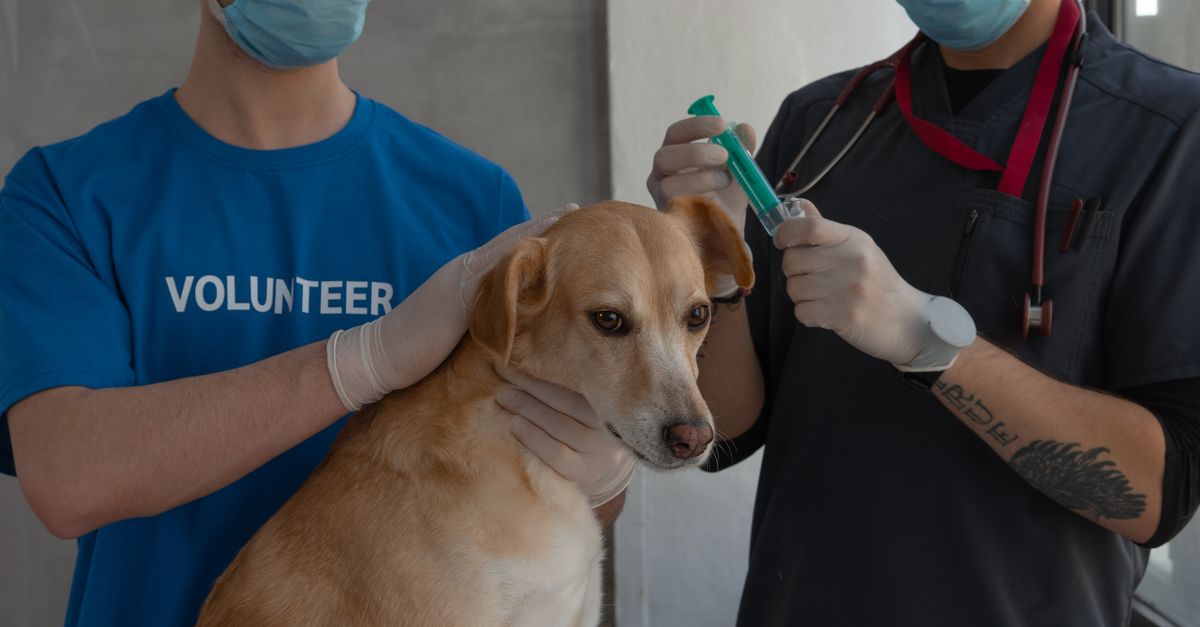
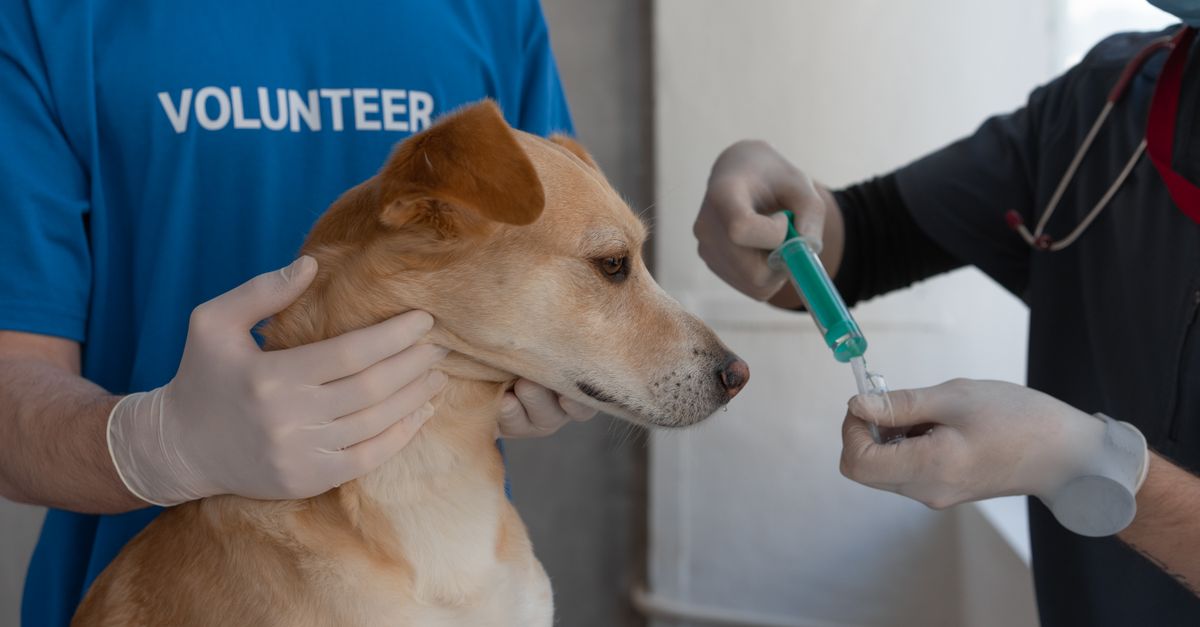
The 100answers Pet Care Animal Wellness approach places routine professional checkups at the center of long-term planning. Veterinary appointments can support vaccinations, parasite control, dental assessment, weight monitoring, behavior discussions, and age-appropriate screening. The exact schedule varies by species, life stage, lifestyle, and local risks, so care should be tailored rather than copied from a neighbor’s calendar. Prepare for appointments by recording changes in eating, drinking, elimination, sleep, movement, and behavior. Bring questions, medication or supplement details, and photographs of anything difficult to describe. Seek prompt professional attention when an animal has severe breathing trouble, repeated vomiting, collapse, uncontrolled bleeding, suspected poisoning, or sudden extreme distress. These signs should not be managed through internet guesswork or optimism alone.
Advertisement
Emotional Security and Behavior
The 100answers Pet Care Animal Wellness approach considers emotional health part of responsible ownership. Animals need safety, appropriate companionship, opportunities to make choices, and protection from unnecessary fear. Reward-based training helps teach useful behaviors while strengthening trust. Punishment, intimidation, and forcing an animal to face overwhelming situations can increase anxiety and damage communication. Watch body language: tucked tails, flattened ears, lip licking, hiding, freezing, excessive vocalization, or sudden irritability may indicate discomfort or stress. Provide a quiet retreat where the pet will not be disturbed, particularly in busy households. When behavior changes sharply or persists, consult a qualified veterinary or animal-behavior professional. The aim is not to create a perfectly obedient robot; it is to help a living creature feel secure enough to behave normally.
Advertisement
Adapting Care Through Life Stages
The 100answers Pet Care Animal Wellness approach changes as an animal grows. Young pets usually need safe socialization, training, appropriate play, and carefully managed nutrition. Adults benefit from maintaining muscle, healthy body condition, dental care, and reliable routines. Older animals may need softer bedding, easier access to food and water, shorter activities, more frequent observation, and adjustments for changing mobility or senses. Breed, species, previous experiences, and individual temperament also matter. A plan that suits a bouncy young dog may be entirely wrong for a senior cat or a nervous rescue animal. Review routines periodically instead of waiting for a problem to force a redesign. Small adaptations, made early, can preserve comfort and independence.
Advertisement
Conclusion
The 100answers Pet Care Animal Wellness approach brings everyday care into one practical picture: balanced food, suitable activity, grooming, enrichment, preventive professional support, and emotional security. Consistent observation helps owners recognize changes before they become larger concerns, while flexible routines respect each animal’s age, species, personality, and abilities. Good pet care is not about perfection; it is about dependable attention, thoughtful choices, and a willingness to adjust when your companion’s needs change.
Advertisement