Simple Habits for a Healthier, Happier Pet Every Day
A Strong Foundation
Pet Care Tips For A Healthier Happier Life begins with dependable, everyday choices rather than heroic gestures. Good food, regular exercise, preventive care, emotional security, and a safe home work together to support a longer, brighter life. The most effective routines are practical for busy households and enjoyable for everyone.
Advertisement
Think in Routines, Not Occasional Efforts
At its core, Pet Care Tips For A Healthier Happier Life is about consistency. Animals tend to flourish when meals, walks, rest, grooming, and bedtime follow a familiar rhythm. Predictability helps reduce stress because pets do not have to guess what happens next. A routine also makes changes easier to notice: a skipped meal, unusual tiredness, or sudden reluctance to play may signal that something is different. Keep a simple daily checklist, but leave room for flexibility. A schedule should support family life, not turn the living room into a military command center.
Advertisement
Build Balanced Meals
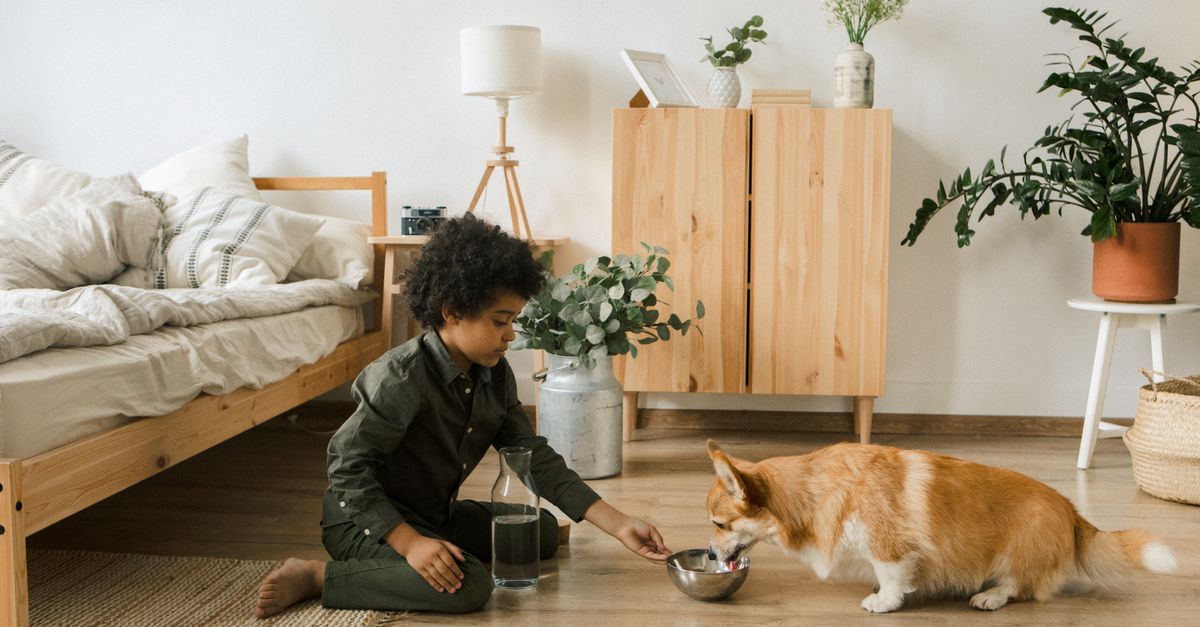
Nutrition is one of the clearest ways to put Pet Care Tips For A Healthier Happier Life into practice. Choose food suited to the animal’s species, age, size, activity level, and particular needs. Follow portion guidance rather than relying on pleading eyes; many pets are talented negotiators with absolutely no nutritional credentials. Fresh water should always be available, and bowls should be washed regularly. Treats can support training and bonding, but they should remain a modest part of the daily diet. Avoid making sudden food changes, since gradual transitions are usually kinder to digestion.
Advertisement
Make Movement Enjoyable
For most animals, Pet Care Tips For A Healthier Happier Life includes regular movement that matches their abilities. Dogs may benefit from walks, sniffing games, fetch, or gentle hikes, while cats often enjoy short bursts of chasing, climbing, and pouncing. Small pets also need opportunities to explore, forage, and use their bodies safely. The goal is not athletic perfection; it is pleasant, repeated activity. Watch breathing, posture, enthusiasm, and recovery afterward. An exercise plan should be adjusted for age, weather, weight, and mobility, with rest treated as a sensible feature rather than a personal failure.
Advertisement
Do Not Skip Preventive Care
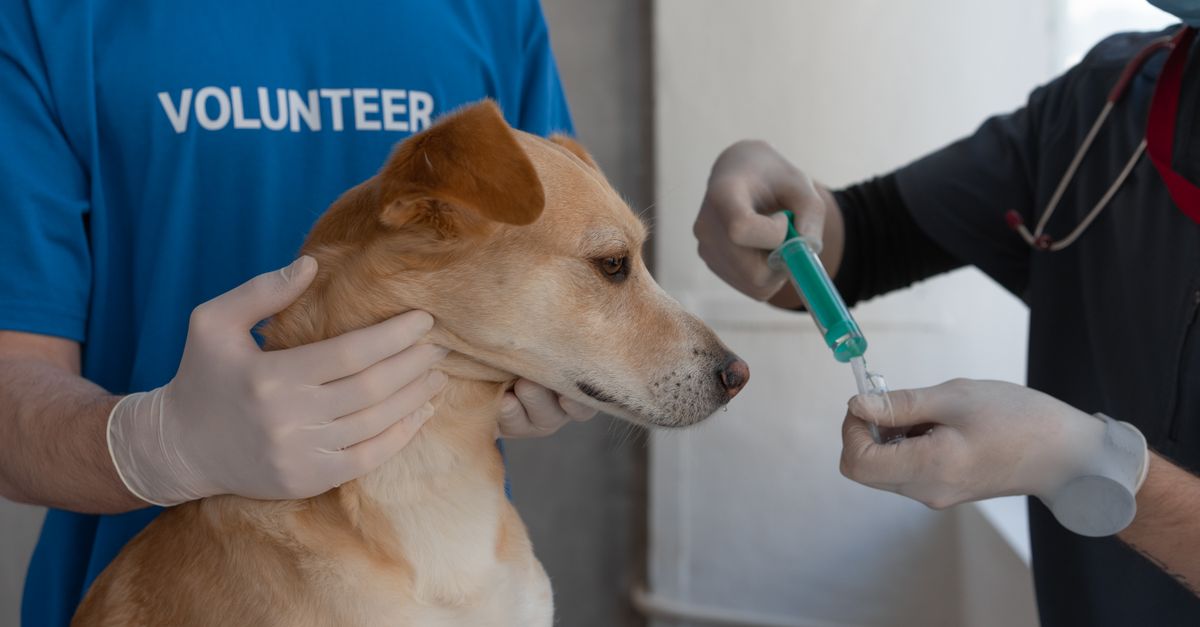
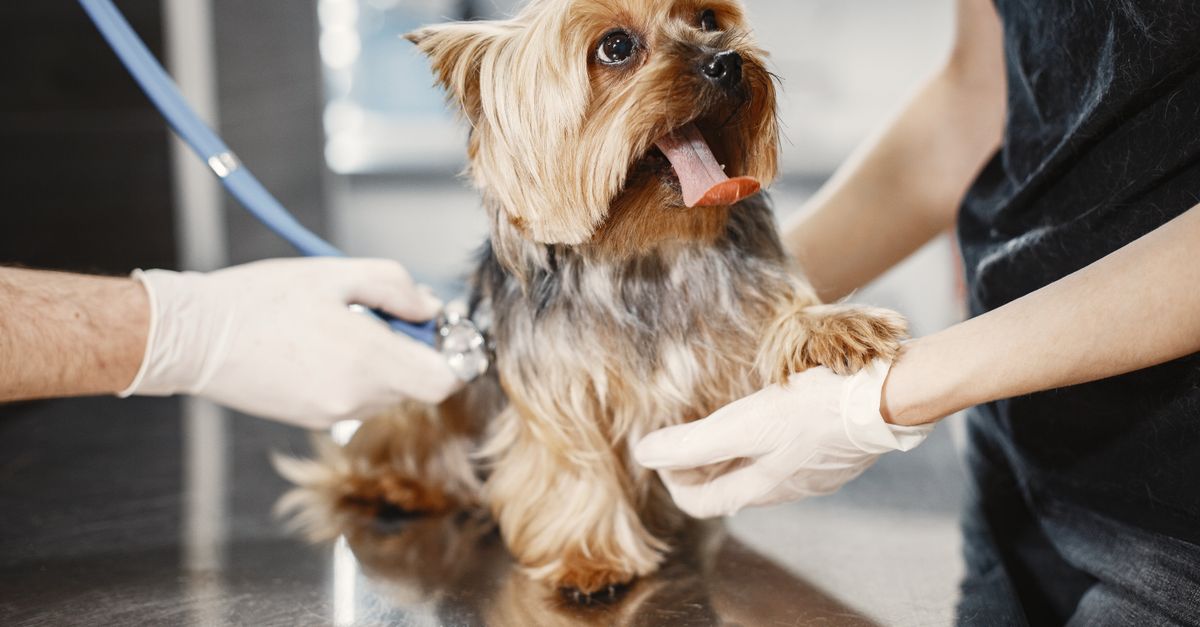
Preventive care gives Pet Care Tips For A Healthier Happier Life its long-term structure. Regular veterinary visits can help identify problems before they become more difficult or expensive to manage. Keep vaccinations, parasite control, dental care, and recommended screenings on an appropriate schedule. At home, gently check ears, eyes, coat, paws, teeth, and body condition when your pet is relaxed. Learn what is normal for that individual, because familiar patterns are useful when something changes. If an animal shows persistent pain, breathing trouble, severe lethargy, repeated vomiting, or another worrying symptom, contact a qualified veterinary professional promptly.
Advertisement
Support the Mind as Well as the Body
Physical health is only part of Pet Care Tips For A Healthier Happier Life. Animals need mental stimulation, social connection, and chances to make safe choices. Rotate toys, introduce food puzzles, practice simple training, and create opportunities to sniff or investigate. Reward-based training builds communication without turning learning into a battle of wills. Respect signals that indicate fear, overstimulation, or a desire for space. Some pets are social butterflies; others are more like reserved librarians. Both personalities are perfectly valid, and forcing interaction can undermine trust rather than create companionship.
Advertisement
Create a Calm, Safe Home
A thoughtful environment makes daily care easier and prevents many avoidable mishaps. Provide clean sleeping areas, secure doors and windows, suitable identification, and access to shade or warmth as conditions require. Keep medications, chemicals, dangerous foods, small objects, and toxic plants out of reach. Cats may need high resting places, dogs may appreciate a quiet retreat, and small animals require housing that allows proper movement and hiding. Introduce visitors, travel, new furniture, and other changes gradually when possible. A safe home should offer both supervision and privacy, because even beloved pets occasionally need to clock out of socializing.
Advertisement
Grooming, Teeth, and Handling
Grooming is more than a cosmetic exercise. Brushing can reduce mats and loose hair, nail care supports comfortable movement, and gentle handling helps an animal become familiar with ordinary care. Dental hygiene deserves special attention because mouth problems can affect eating and overall wellbeing. Introduce each task slowly, pairing brief sessions with praise or a suitable reward. Never force a frightened animal through a long session if a pause is safer. Professional grooming may be useful for certain coats or temperaments, but everyday observation remains the owner’s most valuable tool.
Advertisement
Notice Behavior and Communicate Clearly
Good caregivers become students of body language. Changes in appetite, sleep, vocalization, posture, bathroom habits, sociability, or grooming can provide important clues about comfort and wellbeing. Keep notes when a change persists, including when it began and what else was happening. Clear household rules also help animals understand expectations: use the same cues, reward desired behavior promptly, and avoid confusing punishment. Children should learn to approach calmly and respect an animal’s retreat. Communication is not about making a pet obey every whim; it is about building cooperation and trust.
Advertisement
Keep Care Sustainable
The best habits are those a household can maintain during busy weeks, holidays, bad weather, and the occasional triumph of laundry becoming a mountain. Prepare food portions, store supplies in one place, schedule appointments early, and identify a trusted caregiver for emergencies or travel. Consider financial planning for routine and unexpected needs, and make sure everyone who helps understands the animal’s schedule. Reassess routines as the pet ages or circumstances change. A puppy, adult cat, senior rabbit, and recovering companion will not need identical support, so thoughtful care evolves rather than running on autopilot.
Advertisement
The Bigger Picture
Pet Care Tips For A Healthier Happier Life is ultimately a collection of small actions performed with attention. Balanced nutrition, suitable activity, preventive care, enrichment, grooming, safety, and respectful communication reinforce one another. Consistency matters more than perfection, and observing an animal closely allows routines to improve over time. With patience and preparation, everyday caregiving becomes a reliable source of comfort, companionship, and wellbeing for the whole household.
Advertisement