Exploring Nature's Mysteries: 100 Animal Answers
Introduction
Embark on a captivating journey overflowing with curiosity, revealing fascinating insights into the animal kingdom. Together we will investigate 100 intriguing wild wonders, unraveling mysteries about our furry, feathered, and scaly companions. Come along as we delve into the science, lore, and majesty that animate the world around us.
Advertisement
Do Penguins Have Knees?
Penguins may seem like tuxedo-clad waddlers, but these birds have knees! Hidden beneath layers of blubber and feathers, their knees are crucial for agile swimming. Their waddles may look amusing, but this unique locomotion conserves energy on land, letting them save muscle power for swimming speedsters we admire.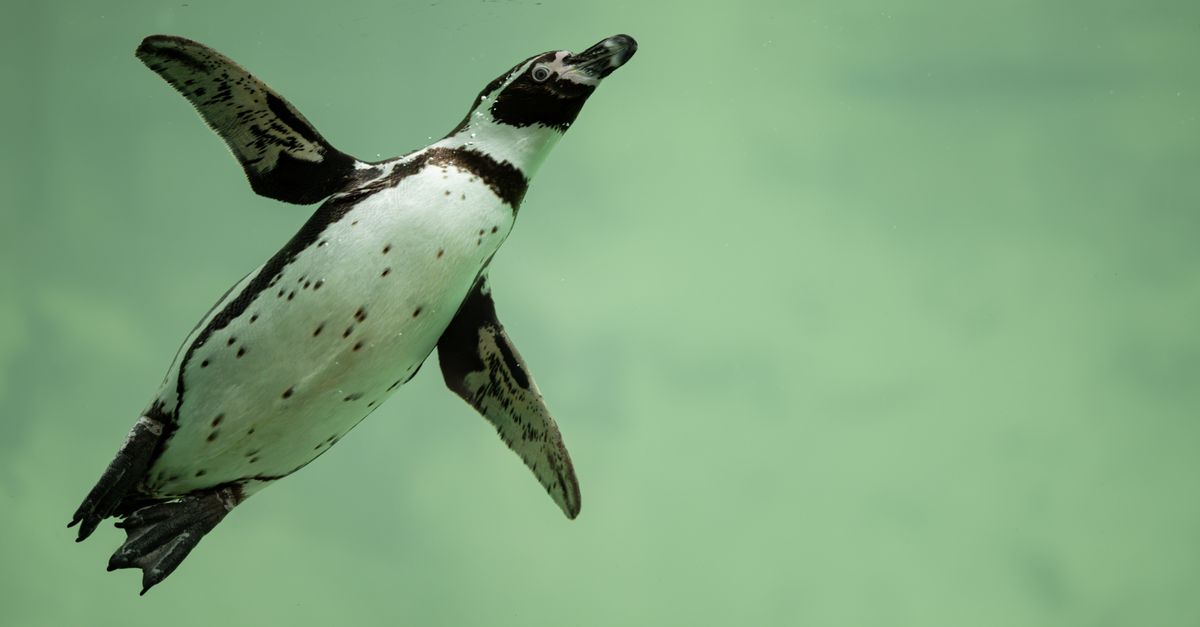
Advertisement
Why Do Flamingos Stand on One Leg?
Let's flamingle with flamingos and their peculiar leggy poses. The secret is thermoregulation. Standing on one leg minimizes heat loss from their bodies in chilly waters. It’s a nifty survival trick in their damp habitats. Now, hold back that impulse to imitate—humans might get a bit wobbly!
Advertisement
How Do Chameleons Change Color?
With chameleons, camouflage reaches an art form. Pigment cells in their skin expand or contract, changing the color seen on the surface. Far from mere concealment, these shifts reflect mood, temperature, and rivalry signals. Chameleons, in essence, wear their hearts on their sleeves—if they had any!
Advertisement
Why Do Zebras Have Stripes?
Zebras have been styling in stripes long before it was cool. While potential answers range from camouflage to personal recognition, recent research suggests pest deterrence. Flies find stripes confusing, reducing zebra bites. Apparently, looking good and staying pest-free can indeed go hand in hand.
Advertisement
Do Elephants Have Emotions?
Elephants, our gentle giants, are surprisingly emotional beings. They experience deep familial bonds, mourn lost ones, and even exhibit forms of empathy. Studies of elephant herds reveal responses to distress, suggesting a capability for compassion. These traits render them one of nature's most emotionally intelligent creatures.
Advertisement
Why Don't Birds Get Electrocuted on Wires?
Birds appear to perform a daring balancing act on wires without consequence. Unearthed secrets reveal insulating power. By perching on one wire, their body doesn't close the electrical circuit. But touching another wire or grounded object would zap them. They instinctively keep to the one-wire rule.
Advertisement
Adaptations That Defy Belief
From the speedy metabolism of hummingbirds to the bizarrely extensive tongues of anteaters, the animal kingdom brims with adaptations worth marveling at. Adaptation masterminds such as the archerfish, which hunts with jets of water, illustrate evolution's endless wit. Their awe-inspiring innovations speak volumes about nature's resilience.
Advertisement
Conclusion
Our exploration into the whims and wonders of the animal kingdom just scratches the surface of what exists. Each creature we share our world with narrates a story of evolution, adaptation, and survival. As we unravel 100 wild wonders, we're reminded of the continuity that stitches us all into the magnificent fabric of life.
Advertisement