Centennial Whisker Wonders: 100 Facts Unveiled
Introduction
Whiskers, those marvelous protrusions adorning many animals, are not just there for show. These sensory wonders have shaped how countless creatures interact with their world. Join us as we explore 100 fascinating whisker facts that illuminate their importance, diverse functions, and quirky quirks across the animal kingdom.
Advertisement
Whiskers: Sensory Marvels of Nature
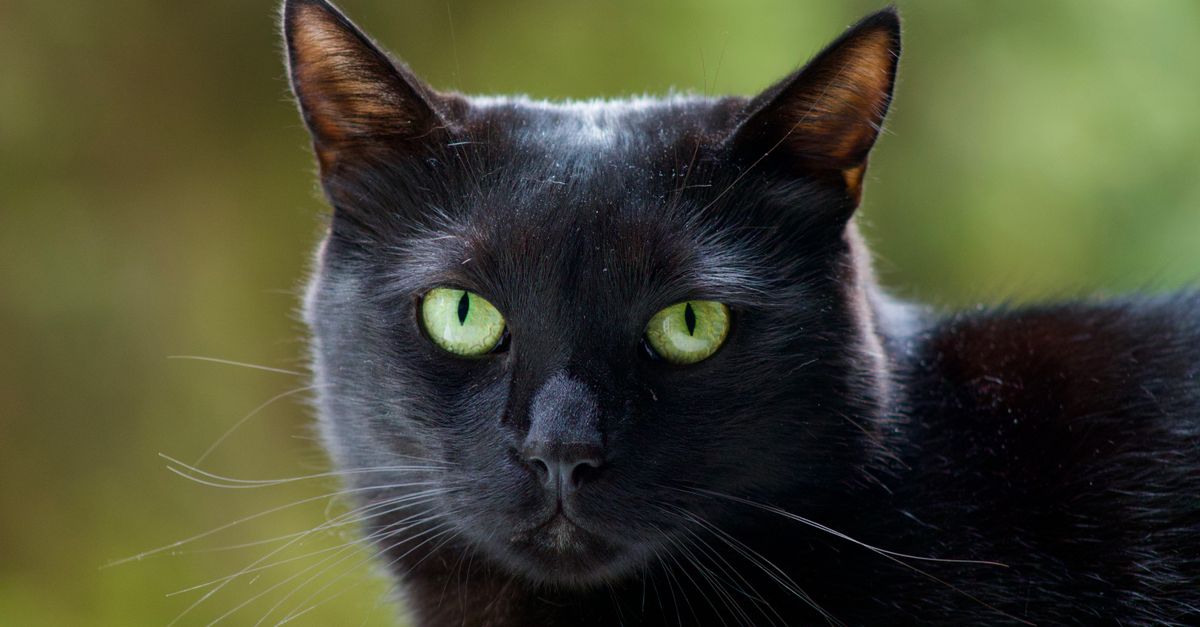
Whiskers, or vibrissae, are heavily innervated, allowing for acute sensory input. Cats, for instance, use them to navigate tight spaces, ensuring they don't become wedged in confined areas. Similarly, seals rely on their whiskers to sense changes in water currents, crucial for hunting in murky depths.
Advertisement
Whiskers: More Than Meets the Eye
For many animals, whiskers serve as a sixth sense. Rats use theirs to explore their surroundings in darkness, figuring out the texture and layout of objects they encounter. Dogs, though not known for night explorations, utilize their vibrissae to detect subtle air movements, aiding in tracking scents and approaching food.
Advertisement
Diverse Forms Across Species
From the elegant long whiskers of the walrus to the compact bristles on an opossum, whiskers come in diverse forms tailored to an animal's needs. Otters, for example, use them to detect prey in murky waters, while elephants' whisker-like sensory hairs hint at materials they might encounter, such as potential meals or obstacles.
Advertisement
The Science Behind Whiskers
Science reveals that whiskers are more than simple hair structures. They're deeply embedded in muscular and nervous systems, acting as sophisticated detection mechanisms. Researchers carefully study vibrissae development in different species to understand how evolution has honed these appendages for survival.
Advertisement
Mammalian Whiskers: A Closer Look
Among mammals, whiskers are remarkably consistent in function yet vary in appearance. Seals and sea lions possess highly sensitive whiskers that can detect fish swimming several meters away. Primates, including monkeys and apes, rely on their facial vibrissae to aid in social interactions, sensing environmental changes and even reading the mood of their companions.
Advertisement
Whiskers in the World Beyond Mammals
Interestingly, whiskers aren't exclusive to mammals. Some birds and insects sport similar sensory structures. For instance, whisker-like feathers called rictal bristles assist some birds in prey detection. Certain arthropods employ tactile setae, hair-like structures that help them navigate their environment, akin to the mammalian whisker system.
Advertisement
Conclusion: Celebrating Whisker Wonders
From the vast oceans to the dense jungles, whiskers reveal much about the animals that sport them. They are vital components in the sensory toolkit of many species, facilitating interactions and survival. As we uncover 100 unique facts, we continue to marvel at the flexibility and precision nature bestows through whiskers, reaffirming their indispensable presence across various ecosystems worldwide.
Advertisement